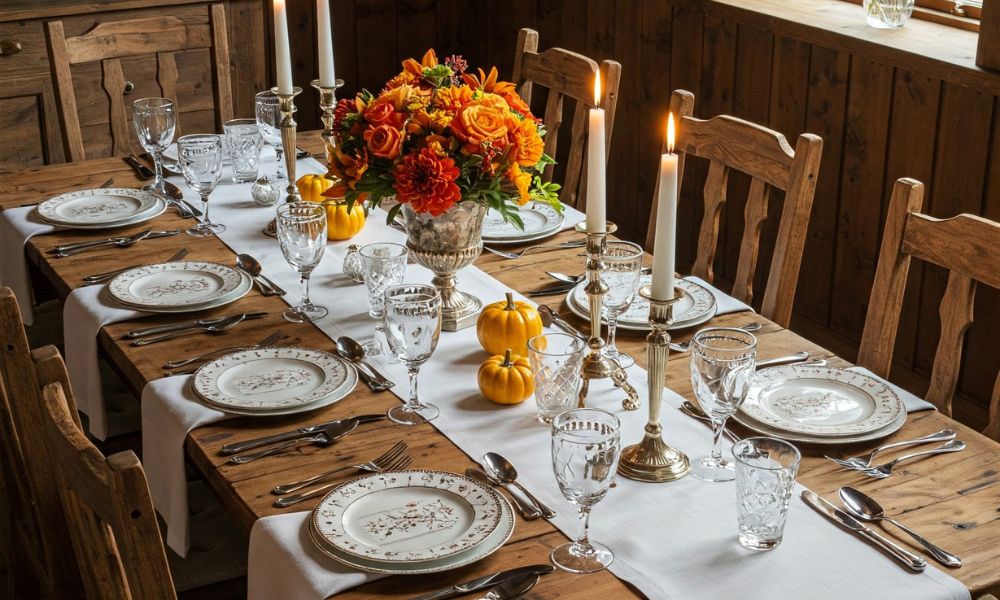
Setting a formal dining room table is more than just arranging plates and cutlery—it’s about creating an elegant and inviting experience for your guests. A beautifully set table enhances the atmosphere of any meal, whether it’s a casual dinner with friends or a special celebration. With the right guidance, even beginners can transform their dining space into a sophisticated setting that leaves a lasting impression.
Why Learning How to Set a Formal Dining Room Table Matters
A well-set formal table communicates care, attention, and hospitality. It allows guests to feel comfortable while Also showcasing your sense of style. Formal table settings highlight the dining Area as a centerpiece of your home And can elevate ordinary meals into memorable experiences. Learning these skills also gives you the confidence to host a variety of gatherings with ease.
Essential Items You’ll Need for a Formal Table Setting
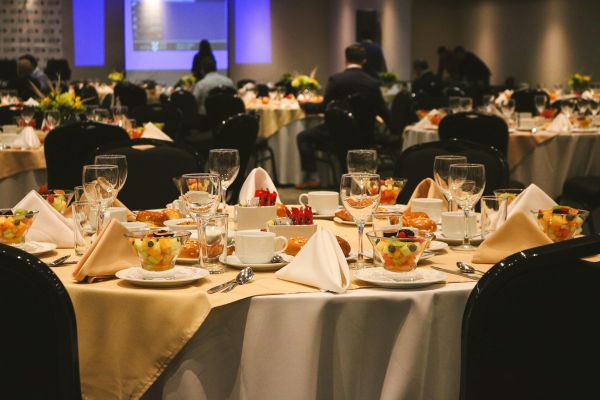
Before setting the table, gather all the necessary items. This includes dinner plates, salad plates, soup bowls, cutlery for multiple courses, glassware for water and wine, napkins, and serving dishes. Optional but recommended items like chargers, napkin rings, and decorative placemats can add extra elegance. Having all supplies organized and ready ensures the process is smooth and the final setup looks polished.
Choosing the Right Tablecloths, Runners, and Placemats
The table covering sets the tone for the entire formal setting. A crisp white or neutral tablecloth provides a timeless and elegant foundation, while runners or placemats can introduce texture and subtle color. Choose materials that complement the room and tableware without clashing with other decor. The right combination of fabrics helps create a visually cohesive And inviting dining experience.
How to Set a Formal Dining Room Table Step by Step
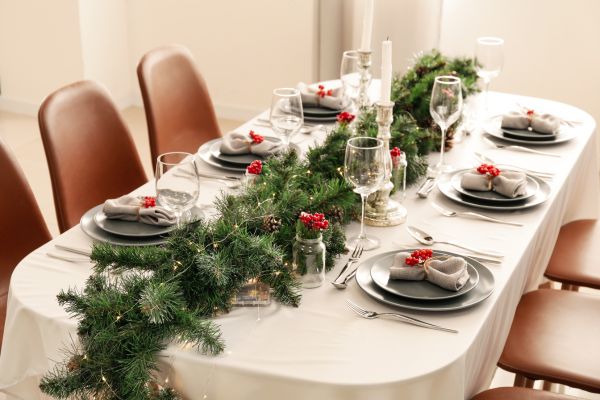
Setting a formal table requires attention to detail, but breaking it down step by step makes it manageable:
- Start with the tablecloth or runner.
- Place the dinner plates at each seat.
- Arrange cutlery according to the order of courses—forks on the left, knives and spoons on the right, with knife blades facing inward.
- Position glassware above the knives.
- Fold napkins neatly on the plate or beside it.
Everyday Formal Setting
For everyday formal dining, simplicity and functionality are key. A single charger under the dinner plate, one or two utensils for the main courses, and basic glassware can create a refined look without feeling overdone. Add a small centerpiece like a vase of fresh flowers or a candle arrangement to bring warmth and style. This approach keeps the table elegant but practical for routine use.
Special Occasion Setting
For special occasions, elevate the table with additional layers and decorative touches. Include multiple utensils for appetizers, salad, and dessert, along with extra glasses for wine or champagne. Consider ornate chargers, patterned napkins, or thematic centerpieces to match the event’s mood. Proper lighting—candles or dimmed overhead fixtures—enhances the ambiance and makes the meal feel extraordinary.
Correct Placement of Plates, Utensils, and Glassware
Proper placement is essential for a polished formal dining table:
- Dinner plate centered at each seat.
- Forks on the left.
- Knives and spoons on the right, knife blades facing inward.
- Glassware arranged neatly above the knives.
Correct placement not only looks elegant but also ensures guests can easily access what they need during the meal.
Adding Napkins: Folding Ideas and Placement Tips
Napkins add sophistication and can subtly express style. For a classic look, fold napkins into rectangles or triangles and place them on the plate or beside the forks. For decorative settings, try fan folds, pocket folds for utensils, or napkin rings. Consistent folds across all seats create a cohesive, professional look.
Selecting a Centerpiece That Enhances Without Overpowering
A centerpiece should add charm without dominating the table. Low floral arrangements, elegant candles, or simple seasonal decor work best for formal settings. Avoid tall or bulky items that block sightlines between guests. The ideal centerpiece complements the tableware and overall aesthetic, providing balance and visual interest.
How to Use Lighting to Elevate a Formal Dining Table
Lighting sets the mood. Soft, warm light from chandeliers or pendant fixtures creates a welcoming glow, while candles add intimacy and charm—especially for evening dinners. Avoid harsh or overly bright lighting that can wash out colors. Proper lighting highlights the elegance of your table and enhances the overall ambiance.
Mixing and Matching Tableware for a Sophisticated Look
Mixing different pieces can make your table unique yet refined. Pair plain dinner plates with patterned salad plates, or mix silver and gold utensils for subtle contrast. Keep balance by limiting standout pieces to one or two elements. This ensures personality and sophistication without overwhelming the design.
How to Set a Formal Dining Room Table for Different Meal Courses
Formal dining often involves multiple courses—each with specific tableware and placement.
Appetizers and Salad:
Include a small salad plate or bowl with appropriate utensils. Keep glassware simple and organized.
Main Course:
The dinner plate becomes the focal point. Ensure correct placement of the main fork and knife, and consider chargers for added elegance.
Dessert:
Place dessert utensils above the plate or serve them with the course. Add a dessert glass if applicable. Keep settings tidy and consistent to leave a lasting impression.
Incorporating Seasonal and Holiday Inspirations
Seasonal touches instantly refresh your dining table:
- Spring: Soft pastels and fresh flowers.
- Summer: Bright colors and natural textures.
- Autumn: Warm tones and rustic accents.
- Winter: Candles, cozy fabrics, and subtle metallics.
These additions make your dining experience feel fresh, festive, and emotionally engaging.
Color Coordination Tips for a Harmonious Table
A cohesive color scheme enhances the visual appeal. Start with neutral tablecloths and dinnerware, then add one or two accent colors through napkins, glassware, or centerpieces. Avoid clashing tones. Thoughtful coordination creates a sophisticated, balanced table design.
How to Set a Formal Dining Room Table on a Budget
Creating a stunning formal table doesn’t require expensive items. Repurpose what you have—mason jars, candles, greenery, or DIY napkin folds. Use simple fabrics or secondhand tableware. Presentation matters more than price; thoughtful arrangement makes even affordable items look elegant.
Common Mistakes to Avoid
- Oversized centerpieces blocking conversation.
- Mixing too many mismatched pieces.
- Poor utensil placement.
- Lighting that’s too harsh or dim.
Keeping the table balanced, simple, and cohesive ensures it feels both professional and welcoming.
Adding Personal Touches That Impress Guests
Personal touches make guests feel valued. Handwritten place cards, a meaningful centerpiece, or creative napkin folds add warmth and individuality. These small gestures create emotional connection and elevate the overall dining atmosphere.
How to Set a Formal Dining Room Table to Create a Memorable Dining Experience
A formal table setting is more than decoration—it sets the tone for the entire meal. Proper utensil placement, complementary lighting, and well-chosen centerpieces foster conversation, highlight the food, and create an elegant, inviting environment guests will remember.
Final Thoughts
Learning how to set a formal dining room table takes practice, but the results are worth it. Start simple, focus on placement, color harmony, and subtle details. With time, you’ll gain confidence and master the art of creating elegant, memorable dining experiences for any occasion. This skill not only enhances your hosting ability but also brings pride and joy to your home.