Adjusting side mirrors correctly is one of the simplest yet most effective ways to improve your driving safety. To Adjust Side Mirrors Correctly, properly positioned mirrors give you a clear view of the road around your vehicle, reduce blind spots, and help prevent accidents. Whether you are a new driver or have years of experience, knowing the right way to adjust your mirrors can boost both confidence and safety behind the wheel.
Why Proper Side Mirror Adjustment Matters for Every Driver
Side mirrors are more than just accessories—they are crucial tools for road awareness. Incorrectly positioned mirrors can leave large blind spots, making lane changes, merging, or parking riskier. Properly adjusted mirrors help you see vehicles approaching from the side, pedestrians, cyclists, and obstacles, allowing you to react quickly to potential hazards.
Common Mistakes People Make When Adjusting Side Mirrors
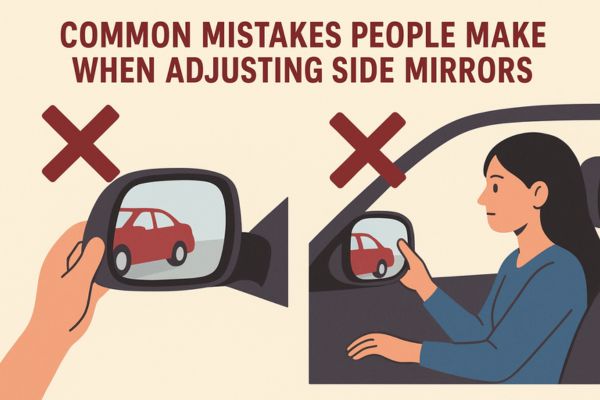
Many drivers make the mistake of centering their mirrors too much on their own car, which reduces the field of view and increases blind spots. To Adjust Side Mirrors Correctly, others forget to readjust mirrors after changing their seating position or when someone else drives the car. Leaning too far in your seat or placing the mirrors too high or low are other common errors that can compromise safety.
Understanding Your Vehicle’s Mirror Types
Manual vs. Power Mirrors
Some vehicles have manual side mirrors, which require physical adjustment by hand. Power mirrors use electronic controls, often located on the driver’s side door. Knowing your mirror type determines how you approach the adjustment process.
Convex vs. Flat Mirrors
Side mirrors may be flat or convex. Flat mirrors provide a true reflection but a narrower view, while convex mirrors curve outward, giving a wider perspective but making objects appear smaller and farther away. Understanding your mirror type helps you maximize visibility while minimizing distortion.
Step-by-Step Guide on How to Adjust Side Mirrors Correctly
Preparing Your Car and Seating Position
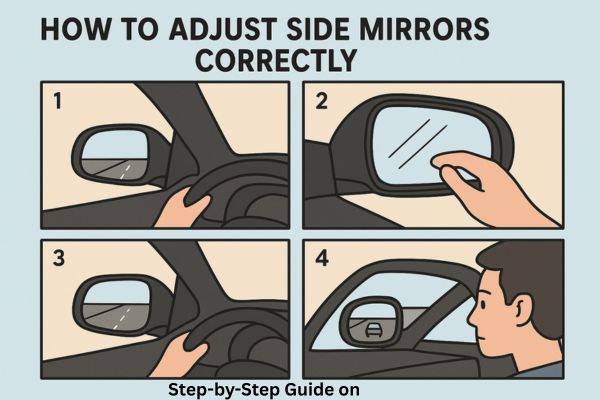
Before adjusting mirrors, ensure your seat is in the correct driving position. Sit upright with your back against the seat, hands comfortably on the steering wheel, and head aligned with your normal driving posture. This ensures the mirrors are set for your actual driving perspective.
Adjusting the Driver’s Side Mirror
Lean your head slightly toward the window and adjust the driver’s side mirror so you can just see the edge of your car. When you sit back in your normal position, the mirror should give a clear view of the lane next to you while reducing blind spots.
Adjusting the Passenger’s Side Mirror
Lean toward the center of the car and adjust the passenger-side mirror so the side of your vehicle is barely visible. This widens your field of view and reduces the risk of missing vehicles in adjacent lanes.
Checking for Blind Spots
Once both mirrors are set, glance over your shoulder to see if any blind spots remain. Properly adjusted mirrors should reduce these areas, but a shoulder check is still necessary before changing lanes. Regularly revisiting mirror adjustments ensures continued safety.
The “Blind Spot Method” Explained: How to Eliminate Hidden Zones
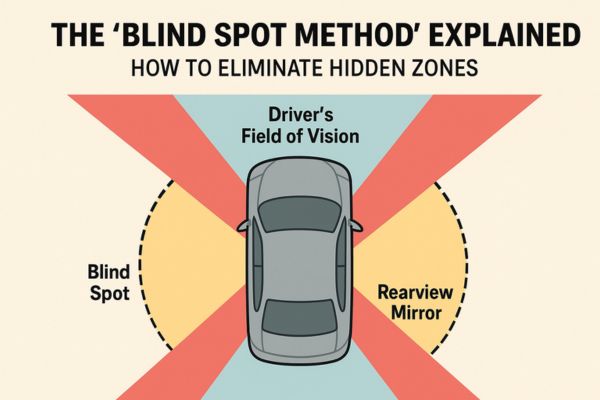
One of the most effective ways to set your side mirrors is the blind spot method. Instead of centering your mirrors on your car, position them so the edge of your vehicle just disappears from view when leaning toward the mirror. This adjustment significantly reduces blind spots, allowing you to see vehicles in adjacent lanes that might otherwise be hidden. Combine this with a quick shoulder check for maximum safety.
Tips for Adjusting Side Mirrors for Different Driving Conditions
City Driving
In busy city streets, angle mirrors slightly to maximize awareness of nearby vehicles, pedestrians, and cyclists. Close traffic and frequent lane changes require a wider perspective to react quickly to sudden stops or obstacles.
Highway Driving
On highways, mirrors can be adjusted slightly wider to provide a longer field of view. This allows you to spot fast-approaching vehicles from behind and plan lane changes safely, reducing blind spots at higher speeds.
Parking in Tight Spaces
When parking, slightly tilt side mirrors downward to see curbs and obstacles near your wheels. Some drivers fold in mirrors temporarily to avoid scrapes. Adjusting your mirrors for these situations prevents minor accidents and makes parking easier.
How to Tell If Your Mirrors Are Set Perfectly
Perfectly set mirrors minimize blind spots while giving a clear view of adjacent lanes. A simple test: have someone walk past your car while you watch the mirrors and glance over your shoulder. If they appear smoothly from mirror to peripheral vision, your mirrors are set correctly. Proper alignment should feel natural and require minimal adjustment during normal driving.
Using Technology to Assist with Side Mirror Adjustment
Blind Spot Sensors
Modern cars often have blind spot sensors that alert you when another vehicle is in your blind zone. These sensors complement your mirrors and provide an extra layer of safety, especially during lane changes.
Rearview Cameras
Rearview cameras help when reversing or parking, giving a visual guide that complements your side mirrors. Combining cameras with correctly positioned mirrors ensures maximum awareness around your vehicle.
Side Mirror Safety Checks You Should Do Regularly
Quick daily safety checks are essential. Inspect mirrors for cracks, dirt, or damage, and ensure adjustment mechanisms work smoothly. Keeping mirrors clean and functional reduces visibility issues and enhances overall driving safety.
How Weather Conditions Affect Side Mirror Visibility
Rain, snow, fog, and ice can obscure mirrors, making it harder to see other vehicles. Anti-fog sprays, regular cleaning, and slight adjustments during adverse weather can improve visibility. Being aware of how weather affects mirrors keeps you safe in all conditions.
When to Replace or Upgrade Your Side Mirrors
Mirrors wear out over time or may become damaged. Replace them if you notice cracks, discoloration, or loose fittings. Upgrading to mirrors with heating, auto-dimming, or integrated turn signals enhances safety and convenience.
Fun Facts About Side Mirrors You Probably Didn’t Know
Side mirrors aren’t just functional—they have clever design features. Convex mirrors expand your field of view, while some modern mirrors include blind spot detection, heating, and auto-tilt features when reversing. Knowing these facts makes you appreciate the engineering behind these small but vital components.
Quick Daily Mirror Check Routine for Safer Driving
A simple routine improves safety: clean mirrors, adjust for your seating position, and check blind spots. Glance over your shoulder to ensure no obstructions. Doing this daily reinforces good habits and reduces accident risks caused by poor visibility.
Advanced Mirror Tricks: Small Adjustments That Make a Big Difference
Even minor tweaks can have a huge impact. Slightly angling mirrors downward when reversing helps avoid curbs, while small outward adjustments reduce blind spots on highways. Experiment with these subtle changes to find the perfect setup for your driving style.
Final Thought
Properly adjusted side mirrors are one of the simplest yet most powerful tools for safe driving. To Adjust Side Mirrors Correctly, taking the time to set them properly, check them regularly, and make small tweaks for different conditions can significantly reduce blind spots and increase confidence on the road. Combined with modern technology like blind spot sensors and rearview cameras, well-positioned mirrors make every drive safer and stress-free. It’s not just about seeing what’s around you—it’s about staying aware, prepared, and in control every time you get behind the wheel.