Driving safely starts with having a clear view of your surroundings, and Properly Adjust Side Mirrors play a crucial role in that. Many beginners underestimate how much mirror positioning can affect driving safety. By learning how to properly adjust side mirrors, you can minimize blind spots, boost confidence during lane changes, and significantly reduce the risk of accidents. This comprehensive guide will walk you through every step, making the process simple, effective, and stress-free for new drivers.
Why Properly Adjusting Side Mirrors Matters for Safety
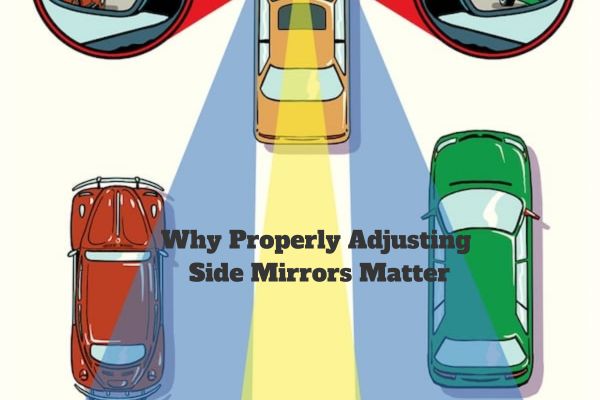
Side reflectors act as your extra set of eyes on the road. When correctly positioned, they help you monitor vehicles in adjacent lanes, keep track of traffic behind you, and safely navigate intersections. Improperly adjusted reflectors can leave dangerous blind spots, making lane changes, merges, and turns risky. For beginners, understanding proper mirror alignment isn’t just about comfort—it’s a critical safety measure that protects you, your passengers, and everyone around you.
Common Mistakes Drivers Make With Side Mirrors
Many drivers make simple yet costly mistakes when Properly Adjust Side Mirrors. Some angle them too far inward, relying only on the rearview mirror. Others point them too far outward, missing important details near their car. Beginners often adjust reflectors while seated incorrectly or fail to account for their height and posture. Recognizing these mistakes early ensures your reflectors give you the most comprehensive view possible, improving your safety and confidence on the road.
Understanding the Different Types of Side Mirrors
Not all side reflectors are created equal, and knowing the differences can help you adjust them properly. Reflectors differ based on how they are powered and the shape of the glass, and each type requires slightly different adjustment techniques. Knowing your car’s mirror type allows you to set them efficiently and maximize visibility.
Manual vs. Power Mirrors
Manual reflectors require physical adjustment using a lever or by hand. While they may seem tricky initially, they provide precise control once you get the hang of them. Power reflectors , on the other hand, adjust electronically from inside the car. Beginners should familiarize themselves with both types and verify alignment by sitting in the driver’s seat or stepping out to check the final position.
Convex vs. Flat Mirrors
The shape of your reflectors also affects how you adjust them. Convex reflectors curve outward, offering a wider field of view and reducing blind spots, though objects appear smaller and farther away. Flat reflectors give a more realistic perception of distance but cover a narrower area. Understanding your mirror type ensures you see both nearby and distant vehicles clearly, enhancing overall road safety.
Step-by-Step Guide on How to Properly Adjust Side Mirrors

Adjusting side reflectors may seem complicated at first, but breaking it down into clear steps makes it easy for beginners. Following a structured approach ensures maximum visibility while minimizing blind spots, which is crucial for safe driving.
Preparing Your Car and Seating Position
Before adjusting reflectors, ensure you are seated comfortably with your back fully against the seat and hands resting naturally on the steering wheel. Proper seating ensures that your reflectors reflect your actual line of sight while driving, giving you accurate awareness of your surroundings.
Adjusting the Driver’s Side Mirror
To adjust the driver’s side mirror, lean your head toward the driver-side window until it nearly touches the glass. From this position, set the mirror so you can just barely see the side of your car. This angle widens your field of view and reduces blind spots, making it easier to detect vehicles approaching from behind or beside you.
Adjusting the Passenger’s Side Mirror
For the passenger-side mirror, lean slightly toward the center of the car and adjust the mirror until you can just see the edge of your vehicle. This complements the driver’s side mirror and ensures that both mirrors cover areas your rearview mirror cannot, creating a safer driving environment.
Checking the Blind Spots
Even with properly adjusted mirrors, it’s essential to physically check blind spots by turning your head before changing lanes. Mirrors help a lot, but small gaps in vision remain. Combining mirror adjustments with a quick glance over your shoulder allows you to drive with confidence and safety.
How to Use the “Mirror Overlap Method” for Maximum Visibility
The “mirror overlap method” ensures minimal blind spots by slightly overlapping the view from your rearview mirror with your side mirrors. This creates continuous coverage of the areas around your car, letting you spot nearby vehicles without moving your head excessively. It’s a simple yet highly effective technique for beginner drivers.
Tips for Adjusting Mirrors in Tight or Crowded Parking Situations
In crowded parking lots or narrow streets, slightly tilting your mirrors downward or outward can help you judge distances better and avoid obstacles. Make small adjustments based on your surroundings and always check before maneuvering. This practice builds confidence in challenging driving scenarios.
Seasonal and Weather Considerations for Side Mirror Adjustments
Weather affects visibility, so adjust your looking glass accordingly. In rain, snow, or fog, tilting looking glass slightly downward can reduce glare from wet surfaces or headlights. Keeping looking glass clean and free from frost, dirt, or water ensures your view remains clear throughout the year.
How to Maintain Your Side Mirrors for Longevity
Clean your looking glass regularly using a gentle glass cleaner and a soft cloth. Check for loose fittings or cracks and repair issues promptly. Proper maintenance ensures your looking glass last longer and consistently provide reliable visibility, making your driving safer and more comfortable.
Signs That Your Side Mirrors Need Readjustment or Replacement
Over time, looking glass may shift, loosen, or get damaged. Signs include distorted reflections, difficulty seeing vehicles in adjacent lanes, or looking glass that move over bumps. Regularly inspecting your looking glass helps maintain optimal visibility and prevents potential accidents.
The Role of Technology: Blind Spot Detection and Smart Mirrors
Modern vehicles may include blind spot detection and smart looking glass , which alert you to vehicles in blind spots. While technology enhances safety, it should complement, not replace, proper mirror adjustment. Combining both ensures maximum awareness on the road.
Driving Scenarios Where Properly Adjusted Side Mirrors Make a Difference
Properly adjusted looking glass are essential when merging onto highways, changing lanes in traffic, navigating tight city streets, or reversing into parking spots. Beginners will notice increased confidence and faster reaction times in these scenarios, making every drive safer.
Quick Daily Checks to Ensure Your Side Mirrors Are Always Safe
A quick glance at your looking glass before driving prevents surprises. Ensure they are clean, aligned correctly, and free from dirt, snow, or ice. These simple daily checks take seconds but greatly improve safety and consistency in driving habits.
Advanced Mirror Adjustments for Optimal Road Awareness
For advanced adjustments, tweak looking glass to minimize blind spots while considering your posture and seat height. These small changes can help spot motorcycles, bicycles, and smaller vehicles often missed by standard positioning.
Fun Tips for Getting Comfortable and Confident With Your Side Mirrors
Learning to use side looking glass effectively doesn’t need to be stressful. Practice while parked, experiment with angles, and notice how your view changes. Make mirror checks part of short drives until using them becomes second nature. Over time, this builds confidence and control for beginner drivers.
Final Thoughts
Properly adjusting side looking glass is one of the easiest yet most important steps for safe driving. Understanding mirror types, following step-by-step methods, and performing regular checks help minimize blind spots and increase confidence. Technology like blind spot detection can further enhance safety, but nothing replaces well-positioned looking glass . With consistent practice and attention to detail, beginners can master mirror adjustments and enjoy safer, smoother drives. Small adjustments today can prevent big mistakes tomorrow, so take the time to set your mirrors correctly and maintain them regularly.