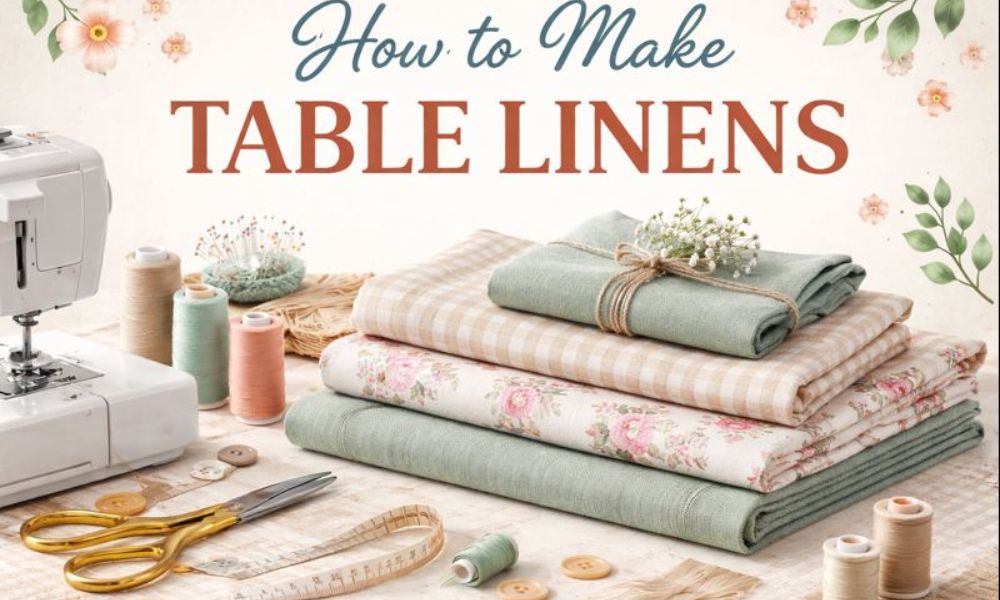
Making your own table linens is a fun and rewarding way to add a personal touch to your dining space. Handmade table linens make meals feel special, whether it’s a casual family dinner or a formal celebration. Beyond aesthetics, creating your own fabrics allows you to express your creativity while developing practical sewing skills that will last a lifetime.
Why Making Your Own Table Linens is Rewarding
Crafting your own table fabrics gives you full control over design, fabric, and size. You can perfectly match them to your dining décor or seasonal themes. Handmade fabrics also bring a sense of accomplishment and pride—nothing beats hosting guests using a tablecloth or napkins you made yourself.
Essential Materials and Tools You’ll Need for Table Linens
Before starting, gather all the necessary tools and materials. Common items include fabric scissors, pins, measuring tape, sewing machine or needle and thread, fabric chalk or markers, and an iron. Decorative trims, lace, or embroidery supplies are optional but can add a professional, personal touch.
Choosing the Right Fabric: Types and Tips
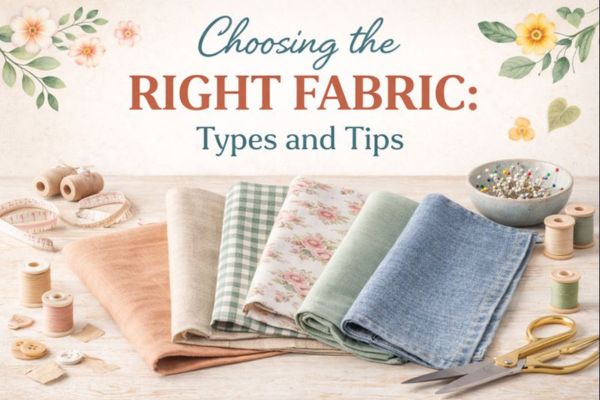
Selecting the right fabric is key to both beauty and durability. Consider how often the fabrics will be used—everyday meals, formal dinners, or seasonal gatherings. Choose fabrics that are easy to clean, soft to handle, and strong enough to last. Beginners will find cotton or linen the easiest to work with, as they are forgiving and maintain shape well.
Cotton, Linen, Polyester: Which Works Best
- Cotton: Lightweight, versatile, and easy to sew. Ideal for napkins and casual tablecloths.
- Linen: Elegant and natural, perfect for formal dining, though it may wrinkle easily.
- Polyester Blends: Durable and low-maintenance, great for everyday use or busy households.
Patterns, Colors, and Textures for Beginners
Start simple with light colors, subtle textures, and small patterns to make mistakes less noticeable. Solid colors and minimal prints create a polished look. As you gain confidence, experiment with bold patterns, layered textures, or seasonal themes to make your table fabrics truly unique.
Basic Sewing Techniques Every Beginner Should Know
Mastering a few basic techniques can drastically improve your results. Learn straight stitching, backstitching, hemming, and finishing edges. Practicing on scrap fabric before your main project helps you gain confidence and ensures your fabrics look clean and professional.
Step-by-Step Guide: How to Make Table Linens
Cutting Your Fabric to Size
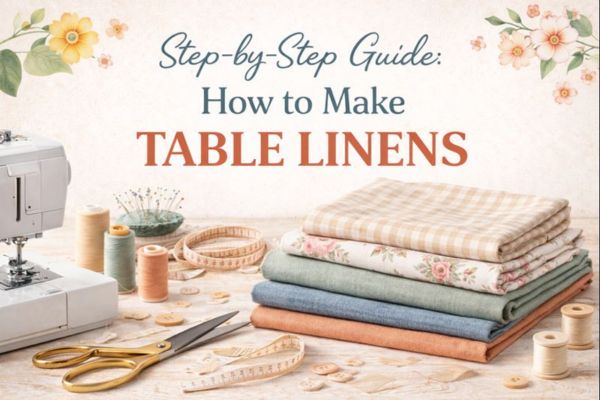
Measure your table and mark fabric dimensions for tablecloths, napkins, or placemats. Use a ruler and fabric chalk to ensure straight lines, and cut carefully to avoid fraying. Proper measurements make your finished pieces fit perfectly and look polished.
Sewing Seams and Hems
Sew straight seams and clean hems for durability and aesthetics. Beginners can use a sewing machine for faster results or hand-stitch for precision. Backstitch at the start and end of each seam to prevent unraveling.
Adding Decorative Touches
Decorative elements like lace trim, embroidery, or appliqués can make your fabrics special. Even small embellishments elevate the overall design and give your table fabrics a unique, handcrafted look.
Creative Ideas for Personalizing Your Table Linens
Take your project further by adding personalized touches. Use fabric paint for designs, add contrasting trims, or monogram your fabrics . Combining colors and textures thoughtfully can create a cohesive, stylish dining table that makes every meal feel memorable.
How to Make Table Linens for Special Occasions
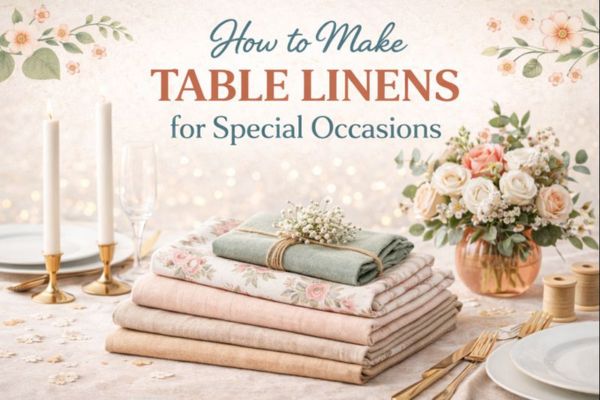
Special events call for elevated designs. Use luxurious fabrics like linen or satin and add lace, embroidery, or subtle stitching for elegance. Coordinate colors with your tableware or seasonal themes for a cohesive and memorable presentation. Even beginners can start simple and gradually add fancier details.
Tips for Maintaining and Caring for Your Handmade Table Linens
Proper care ensures longevity. Wash gently with mild detergent, avoid harsh chemicals, and iron while slightly damp to remove wrinkles. Store fabrics in a clean, dry space or in breathable storage bags to prevent mildew, discoloration, or damage to delicate fabrics.
Common Mistakes to Avoid When Making Table Linens
Avoid cutting fabric inaccurately, skipping hems, or choosing the wrong fabric. Overcomplicating designs too early can lead to frustration. Take your time, measure precisely, and practice basic sewing techniques for professional-looking results.
Budget-Friendly Hacks for Table Linen Projects
Creating table fabrics doesn’t have to be expensive. Repurpose old sheets or pillowcases, buy fabric remnants, or add simple embellishments like ribbons or fabric paint. These hacks help you make stylish fabrics while keeping costs low, all while adding a personal, handmade charm.
Incorporating Table Linens into Your Dining Décor
Table fabrics enhance the look of your dining area. Layer tablecloths, runners, and placemats for texture and depth. Match napkins to your fabrics or choose complementary patterns. Small details like decorative edges or creative folds can transform an ordinary meal into a special occasion.
Fun DIY Projects: Napkins, Placemats, and Table Runners
Start small with DIY napkins, then try placemats and table runners. Customize each piece with hand-stitched patterns, painted designs, or unique edges. These projects are also perfect for gifting, adding a thoughtful, personal touch.
Inspiring Resources and Communities for Table Linen Enthusiasts
Join online sewing communities, Pinterest boards, YouTube tutorials, or Facebook groups for tips, inspiration, and support. Engaging with fellow crafters motivates you to try new techniques and expand your creativity.
Final Thoughts
Making table linens is more than a craft—it’s a creative and rewarding experience. Every stitch and fold reflects your effort and care. Celebrate your finished pieces by using them daily or during special gatherings, and enjoy the pride of having unique, handcrafted linens on your dining table.