Keeping your table linens clean and fresh is essential not only for hygiene but also for creating a polished and inviting dining space. Learning how to wash table linens correctly ensures they stay vibrant, soft, and long-lasting. From everyday napkins and placemats to elegant tablecloths, knowing the right care techniques prevents damage and extends the life of your linens.
Why Learning How to Wash Table Linens Matters for Everyday Use
Table linens protect surfaces, enhance dining décor, and create a welcoming atmosphere for meals. Over time, spills, stains, and general wear can make them look dull or worn out. Mastering the correct washing techniques keeps your fabrics clean, stain-free, and presentable for both casual meals and formal occasions. Proper care also saves money, reducing the need for frequent replacements.
Understanding Different Types of Table Linens
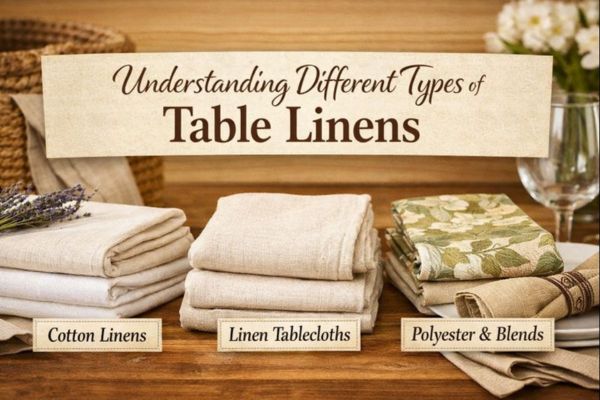
Before washing, it’s important to identify the fabric type of your table fabrics . Cotton, linen, and polyester blends each have unique characteristics and require different care. Understanding these differences ensures your fabrics remain soft, vibrant, and long-lasting while preventing damage during washing.
Cotton Table Linens
Cotton is popular for everyday use because it is soft, durable, and easy to clean. It can usually handle regular machine washing but may shrink in hot water. Pre-treat stains promptly and use a gentle detergent to maintain the natural softness and vibrant colors of cotton fabrics.
Linen Tablecloths
Linen is prized for its elegance and natural texture, making it ideal for formal dining. However, linen wrinkles easily and is more delicate than cotton. Wash linen tablecloths in cold or lukewarm water, avoid harsh detergents, and handle gently during drying to preserve their smooth texture and natural shine.
Polyester and Blended Fabrics
Polyester and blended linens are durable, wrinkle-resistant, and low-maintenance. They typically withstand machine washing on gentle cycles. Using the correct water temperature and a mild detergent helps extend the life of synthetic or blended linens .
Reading Care Labels Before Washing Table Linens
Care labels provide essential instructions for washing and drying your fabrics. Following these instructions helps avoid shrinkage, fading, and fabric damage. Labels indicate water temperature, detergent type, and whether hand or machine washing is recommended, ensuring optimal results every time.
How to Wash Table Linens by Fabric Type
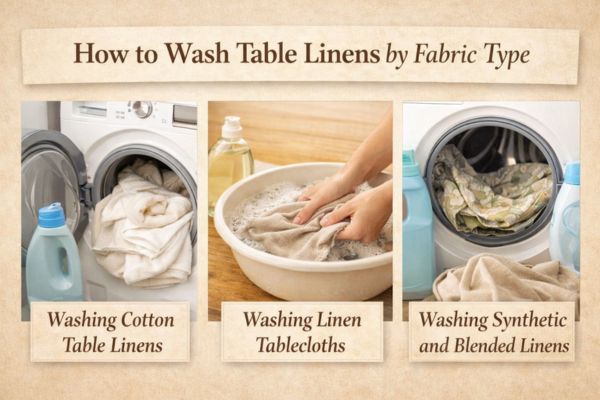
Different linens respond differently to water, detergent, and heat. Matching your washing method to the fabric type ensures your table fabrics stay soft, vibrant, and durable while effectively removing stains.
Washing Cotton Table Linens
Wash cotton linens in warm water with a gentle detergent. Pre-treat stains before washing. Afterward, tumble-dry on a low setting or air-dry to prevent shrinkage. Iron while slightly damp to restore a crisp and polished look.
Washing Linen Tablecloths
Hand wash or use a gentle machine cycle with cold or lukewarm water. Avoid bleach and harsh chemicals, which can weaken fibers. Gently squeeze out excess water and air-dry flat or hang to prevent deep wrinkles. Light ironing enhances linen’s natural texture.
Washing Synthetic and Blended Linens
Synthetic linens and blends are resilient and handle regular machine washing well. Use a gentle cycle with cool or warm water and a mild detergent. Avoid high heat during drying to prevent fiber damage. These fabrics typically require minimal ironing, making them perfect for everyday use.
Step-by-Step Guide on How to Wash Table Linens at Home

Sorting your fabrics by fabric type and color is the first step. Pre-treat stains, choose the right washing method, and carefully dry and store your pieces. Following a structured routine ensures your linens stay fresh, clean, and elegant, even for beginners.
Pre-Treating Stains
Blot spills immediately with a clean cloth to prevent setting. Use a mild stain remover or a natural solution like a baking soda paste. Pre-treating stains prevents them from lingering after washing and keeps your linens spotless.
Choosing the Right Water Temperature
Warm water works best for cotton, while cold or lukewarm water is ideal for delicate fabrics such as linen or blends. Avoid hot water, which can shrink or fade linens . Always check the care label before washing.
Selecting a Gentle Wash Cycle
Use gentle cycles for delicate or embroidered fabrics to reduce wear and tear. Heavy cotton linens can handle standard cycles, but delicate linens benefit from slower agitation and minimal spinning.
Hand Washing vs Machine Washing Table Linens
Hand washing is ideal for delicate, embroidered, or vintage fabrics , giving you precise control and gentler handling. Machine washing works well for durable fabrics like cotton or polyester blends, offering convenience without compromising quality.
Best Detergents to Use When Learning How to Wash Table Linens
Mild detergents designed for delicate fabrics work best. Avoid harsh chemicals or bleach that may damage fibers or fade colors. Eco-friendly detergents are a safe and effective alternative.
How to Remove Common Stains from Table Linens Naturally
Natural solutions like lemon juice, baking soda, or white vinegar are effective for everyday stains such as wine, coffee, or oil. Gently rub the solution into the stain, let it sit, and rinse with cold water before washing. This method is safe for fabrics and environmentally friendly.
Drying Methods for Table Linens Without Damage
Avoid wringing delicate fabrics, which can distort their shape. Lay fabrics flat or hang them carefully to air-dry. If using a dryer, choose a low-heat setting and remove fabrics promptly to minimize wrinkles and maintain softness.
Air Drying for Best Results
Air drying is the safest method for linen and delicate fabrics. Spread the fabric evenly on a clean surface or hang away from direct sunlight. Air drying preserves texture, shape, and color.
Machine Drying Tips for Beginners
Use a gentle, low-heat setting. Remove fabrics while slightly damp to prevent stiffness or shrinkage. Folding and smoothing fabrics before placing them in the dryer helps minimize wrinkles and keeps fibers soft.
How to Iron and Press Table Linens for a Fresh Look
Iron slightly damp fabrics at the correct temperature. Use a pressing cloth for delicate fabrics to prevent shiny marks. Proper ironing restores a polished and professional appearance.
Storing Table Linens After Washing to Keep Them Fresh
Store fabrics in a cool, dry place. Avoid plastic bags that trap moisture. Fold neatly and place in breathable containers or drawers to preserve quality and freshness.
Common Mistakes to Avoid When Washing Table Linens
Do not mix fabric types, use excessive detergent, ignore care labels, or skip pre-treatment. These mistakes can lead to shrinkage, fading, or permanent stains.
Eco-Friendly Tips for How to Wash Table Linens Sustainably
Wash with cold water, use biodegradable detergents, and line-dry instead of machine drying. Repurpose old fabrics or use natural stain removers to reduce waste and protect the environment.
Final Thought
Consistency is key. Wash promptly, handle fabrics gently, and follow care instructions. Proper washing, drying, ironing, and storage will keep your table linens bright, fresh, and beautiful for years, enhancing every meal you serve.