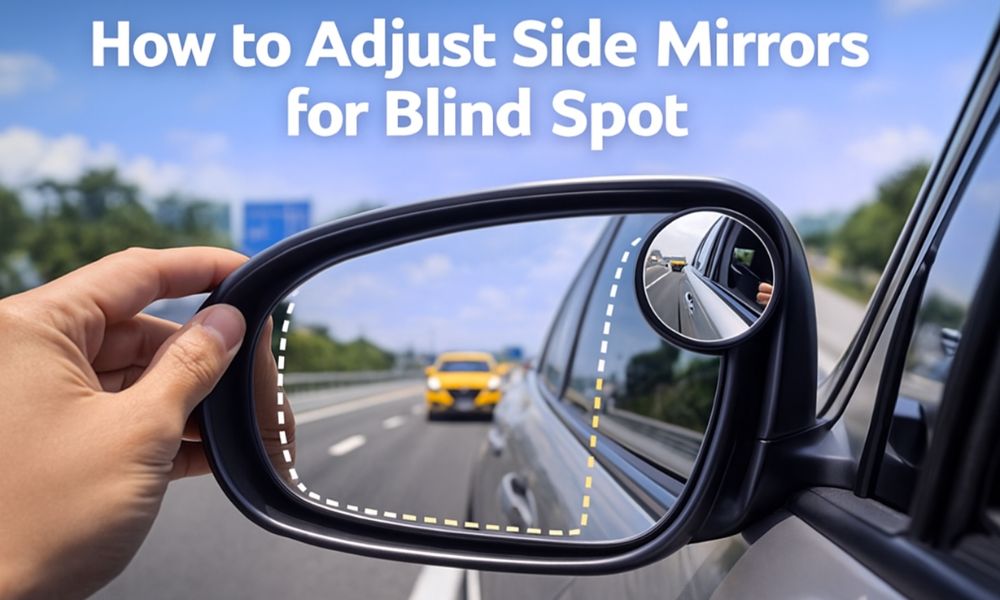
Blind spots are one of the most common causes of accidents on the road, especially for new drivers. Even with modern car technology, side and rearview viewing glass remain essential for safe driving. Learning how to adjust side mirrors for blind spot correctly ensures you have a wider field of vision, reduces surprises during lane changes, and boosts your overall confidence behind the wheel. This guide walks beginners through every step to master mirror adjustment safely and effectively.
Why Proper Mirror Adjustment Matters
Blind spots are areas around your car that aren’t visible through standard Viewing glass . Incorrectly adjusted Viewing glass make these hidden zones larger, increasing the risk of missing nearby vehicles, motorcycles, or cyclists. Properly aligned Viewing glass helps shrink blind spots, giving you a clear view of surrounding lanes and making lane changes, turns, and merges safer and less stressful.
Common Mistakes When Adjusting Side Mirrors
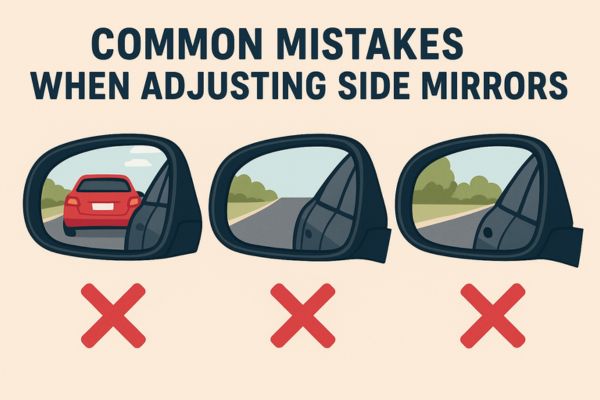
Many drivers unknowingly make errors when setting their viewing glass. A common mistake is angling viewing glass too far inward, showing too much of the car instead of the road. Some drivers adjust viewing glass while driving, which can be distracting and unsafe. Others neglect regular checks, so viewing glass may become misaligned over time. Learning to adjust side mirrors for blind spot correctly and avoiding these mistakes ensures maximum visibility and safety.
Understanding Types of Vehicle Mirrors
Most cars have three types of Viewing glass, each with a specific purpose. Knowing how to use them together helps minimize blind spots effectively.
Side Mirrors
Side Viewing glass, located on both the driver and passenger sides, allow you to monitor traffic approaching from behind or beside your car. When adjusted correctly, side Viewing glass cover areas that the rearview mirror can’t reach, making them essential for lane changes, merging, and keeping an eye on cyclists or vehicles alongside you.
Rearview Mirror
The rearview mirror, mounted inside at the top of the windshield, shows the road directly behind the car. While it doesn’t display the sides of the vehicle, it works with the side Viewing glass to create a complete view of your surroundings, helping drivers detect approaching traffic from all angles.
Basic Safety Checks Before Adjusting Mirrors
Before adjusting your Viewing glass, ensure your car is safely parked. Your seat, steering wheel, and headrest should be set in comfortable positions, as mirror adjustments depend on your seating posture. Clean Viewing glass are also crucial, as dust and smudges can obstruct your view and reduce visibility.
How to Sit Correctly Before Adjusting Mirrors
Posture plays a big role in visibility. Sit upright with your back against the seat and both hands comfortably on the steering wheel. Make sure your seat height allows a clear view over the dashboard. Once seated correctly, Viewing glass can be adjusted to match your posture, ensuring accurate coverage while driving.
Step-by-Step Guide: How to Adjust Side Mirrors for Blind Spot
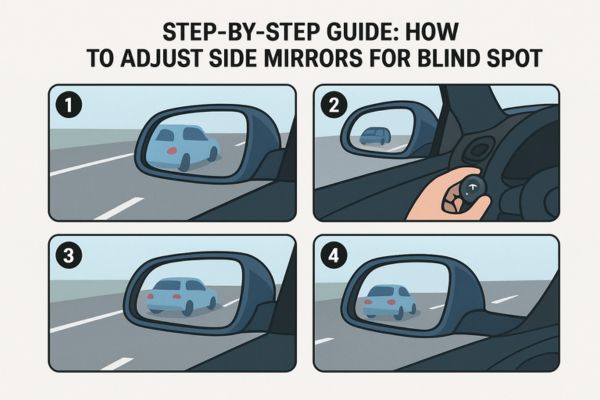
Proper mirror adjustment might seem tricky at first, but a step-by-step approach makes it simple.
Position Your Body Correctly
Sit comfortably with your back fully against the seat and feet positioned properly. Correct posture ensures Viewing glass reflects the right perspective of the road, helping reduce blind spots and prevent neck strain.
Adjust the Rearview Mirror
Tilt the rearview mirror so you can see the entire rear window without moving your head. This mirror complements the side Viewing glass and ensures you don’t miss vehicles directly behind you.
Set the Driver’s Side Mirror
Angle the driver’s side mirror so only a small portion of your car is visible. This maximizes your view of the lane next to you and reduces blind spots, allowing you to spot vehicles approaching from behind.
Set the Passenger’s Side Mirror
Mirror the same technique on the passenger side, showing minimal vehicle reflection. This adjustment covers the adjacent lane more effectively and minimizes hidden zones where other cars could be missed.
Check for Blind Spot EliminationViewing glass
Test mirror coverage from your normal seating position. Adjust slightly if needed until blind spots are minimized and you can see traffic in all directions without straining or leaning.
Methods for Adjusting Side Mirrors More Effectively
Different drivers may prefer different methods depending on comfort and vehicle size.
Traditional Mirror Method
The traditional method keeps a small part of your car visible inside Viewing glass . While familiar, it may leave larger blind spots and requires frequent head checks to ensure safety.
Blind Spot Reduction Method
This method angles Viewing glass outward to reduce hidden zones. By showing less of your own car, adjacent lanes become more visible, allowing drivers to rely on Viewing glass more and head-turns less, improving safety in traffic-heavy conditions.
How to Know If Your Blind Spots Are Properly Minimized
Check blind spots by imagining another vehicle passing in the adjacent lane. If the car disappears from your Viewing glass only when visible in peripheral vision, your mirrors are correctly adjusted. Practice in a safe area until you’re confident.
Tips for Testing Your Mirror Adjustment
Drive slowly in a quiet area or empty parking lot. Have a friend walk or drive beside your vehicle to see if they remain visible. This practical test ensures mirrors are set correctly before heading into traffic.
How Weather and Lighting Affect Mirror Visibility
Rain, fog, or sun glare can reduce visibility, even with perfectly adjusted mirrors. Clean mirrors regularly and consider anti-glare or water-repellent coatings. Being aware of weather effects helps you stay safe in varying conditions.
Extra Tools That Can Help Reduce Blind Spots
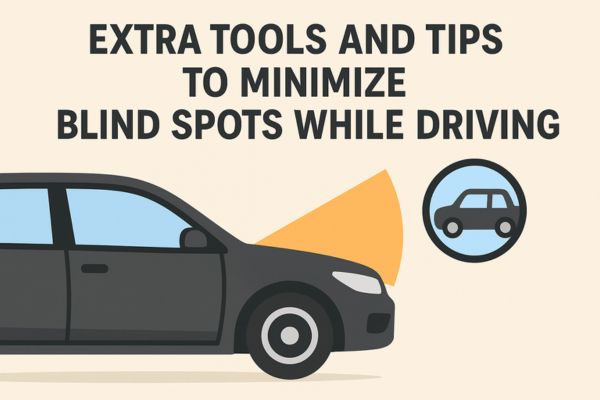
Blind Spot Mirrors
Small convex mirrors attach to the corner of side mirrors, expanding your field of view. They’re affordable, easy to install, and provide extra safety for lane changes.
Lane Assist Technology
Modern vehicles may include lane assist systems using sensors to detect vehicles in blind spots, alerting drivers with visual or audio cues. These technologies complement, but do not replace, proper mirror adjustment.
Troubleshooting: What to Do If You Still Have Blind Spots
If blind spots persist, adjust mirror angles slightly and recheck seating posture. Consider adding blind spot mirrors or relying on lane assist technology if available. Regular practice and awareness checks improve safety over time.
Maintenance Tips to Keep Mirrors Clear and Safe
Clean mirrors with soft, non-abrasive cloths and check for cracks or scratches. Replace damaged mirrors promptly. Well-maintained mirrors provide accurate reflections and ensure ongoing blind spot reduction.
Final Thoughts
Mastering mirror adjustment takes patience, but the benefits are significant. Correctly aligned mirrors reduce blind spots, boost confidence, and make driving safer. By combining proper posture, mirror alignment, and optional tools like blind spot mirrors or lane assist technology, drivers can enjoy better visibility and awareness. Safety starts with good habits, and mirror adjustment is one of the easiest ways to protect yourself and others on the road.