
Cleaning your area rugs at home doesn’t have to be overwhelming. With the right guidance and techniques, you can keep your rugs looking fresh, vibrant, and hygienic without spending a fortune. Area rugs not only add comfort and style to your home, but they also trap dust, allergens, and dirt. Regular cleaning is essential for a healthier living environment. This beginner-friendly guide will teach you everything you need to know about how to clean area rugs at home effectively, safely, and efficiently.
Why Cleaning Your Area Rugs is Essential for a Healthy Home
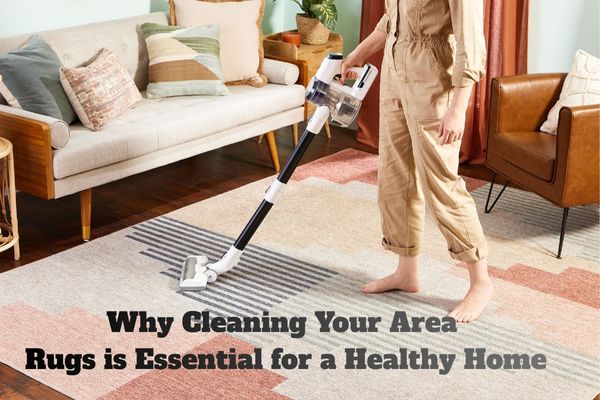
Even the most beautiful carpets can hide dust mites, bacteria, and allergens that impact your home’s air quality. Regular washing removes these invisible threats, helping reduce allergies and respiratory issues. Well-maintained carpets also preserve their colors, prevent odors, and extend their lifespan. A consistent washing routine ensures your home is not only attractive but healthier for your family.
Different Types of Area Rugs and How They Affect Cleaning
Not all carpets are the same, and understanding your rug’s material is critical before washing. Clean Area Rugs at Home by knowing that different fibers react differently to water, washing solutions, and scrubbing. Knowing your rug’s type prevents accidental damage and ensures the best washing results.
Wool Rugs
Wool carpets are durable and naturally stain-resistant but require gentle washing to avoid shrinking or matting. Use a mild wool-safe detergent and avoid excessive water. Air drying is the safest method after spot washing.
Synthetic Rugs
Synthetic carpets, such as nylon or polyester, are easier to clean and handle scrubbing and water better than natural fibers. Mild soap or carpet cleaners work well, making them ideal for homes with pets or heavy foot traffic.
Cotton and Natural Fiber Rugs
Cotton and other natural fibers are lightweight and often machine-washable. However, hot water can shrink these carpets. Gentle washing and fast drying help maintain their shape and texture.
Delicate or Handwoven Rugs
Handwoven and delicate carpets are fragile and require special care. Avoid harsh scrubbing or soaking; instead, use specialized cleaners and vacuum regularly. Spot clean stains immediately to prevent permanent damage.
Common Stains and How to Identify Them
Different stains require different approaches. Food, drink, mud, pet accidents, and ink each have unique washing needs. To effectively clean area rugs at home, identifying stains quickly ensures you apply the correct washing method and prevent lasting damage to your rug.
Step-by-Step Guide to Cleaning Area Rugs at Home
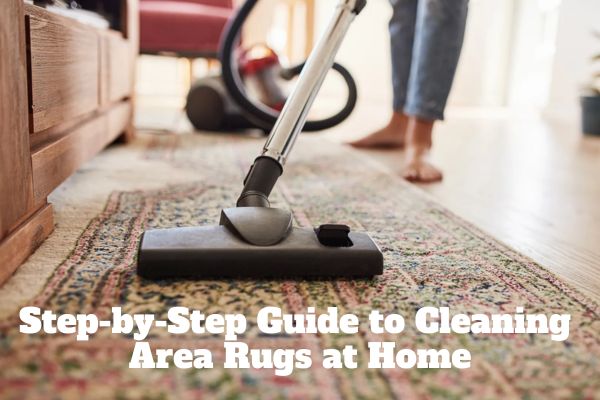
A structured approach ensures thorough washing while protecting your rug. Follow these steps for the best results.
Preparing Your Rug for Cleaning
Start by removing loose dirt and debris. Shake out the rug, beat it gently outside, or vacuum it. Inspect for delicate areas or damage that may require extra care.
Choosing the Right Cleaning Solution
Select a cleaner suitable for your rug’s material and the type of stain. Mild detergents usually work for most carpets, while delicate carpets may require specialized products. Avoid harsh chemicals that can discolor or damage fibers.
Vacuuming Techniques
Vacuum both sides of the rug if possible. Use a vacuum with adjustable suction for thicker carpets to prevent fiber damage. Regular vacuuming reduces dust buildup and keeps carpets looking fresh.
Spot Cleaning Stains
Act quickly when a spill occurs. Blot stains gently instead of scrubbing to lift them effectively. For food, drink, or pet stains, use a small amount of cleaner and dab until the stain disappears.
Deep Cleaning Methods
Deep washing removes embedded dirt and odors. Use a carpet shampooer, water with mild detergent, or steam washing based on your rug type. Avoid over-wetting to prevent shrinkage or mold.
Essential Tools and Materials You’ll Need
Having the right tools makes washing easier and safer. Keep a vacuum, soft-bristle brush, bucket, mild detergent, towels, and gloves on hand. For delicate carpets , a sponge or specialized cleaner may be necessary.
Natural Cleaning Methods for Area Rugs
Eco-friendly washing options like baking soda, vinegar, and lemon work wonders. Sprinkle baking soda to deodorize or use diluted vinegar solutions for gentle washing . Natural methods are safe for most carpets and chemical-free.
Using Commercial Cleaners Safely
Commercial carpet cleaners are effective but must be used correctly. Test the cleaner on a small area first to avoid discoloration or fiber damage. Follow instructions carefully to prevent residue buildup and maintain your rug’s appearance.
Drying Your Area Rug Properly
Proper drying is essential to prevent mold and mildew. Lay carpets flat in a ventilated area or hang them outside, avoiding direct sunlight for delicate carpets. Ensure carpets are fully dry before placing them back in your home.
Tips for Maintaining Clean Area Rugs Longer

Regular maintenance keeps carpets cleaner for longer. Vacuum frequently, rotate carpets for even wear, and attend to spills immediately. Using doormats and maintaining a shoe-free zone also reduces dirt accumulation.
How Often Should You Clean Your Area Rugs?
High-traffic areas require frequent vacuuming and deep washing every few months. Low-traffic areas may need washing less often. Consider pets, children, and seasonal allergies when deciding on your washing schedule.
Mistakes to Avoid When Cleaning Area Rugs
Avoid over-wetting, harsh scrubbing, and using incompatible washing solutions. Ignoring stains or letting them sit can lead to permanent damage. Proper techniques help keep carpets looking new and vibrant.
Fun DIY Hacks for a Fresh-Smelling Rug
For natural freshness, sprinkle baking soda on your rug and leave it for 15–30 minutes before vacuuming. Add a few drops of essential oil or use homemade vinegar solutions to keep carpets smelling clean and inviting.
When to Call a Professional Rug Cleaner
For stubborn stains, delicate fibers, or worn rugs, professional cleaning is the safest option. Experts can restore your rug without risk of damage and save you time and effort.
How to Store Rugs to Keep Them Clean and Fresh
Roll rugs with the pile facing inward, wrap in breathable material, and store in a dry, cool space. Avoid plastic wrapping, which can trap moisture and cause mold or mildew.
Seasonal Rug Cleaning Tips for a Sparkling Home
Adjust washing routines according to the season. Spring and fall are ideal for deep washing , while wet seasons require thorough drying to prevent mildew. Seasonal care keeps rugs vibrant year-round.
Final Thought
Washing area carpets at home is achievable with the right knowledge, tools, and techniques. By understanding your rug type, using safe washing methods, and maintaining regular care, you can keep your carpets fresh, vibrant, and long-lasting. Quick attention to stains, seasonal washing , and proper storage ensure your home remains clean, inviting, and allergen-free. Even beginners can confidently manage rug care and enjoy a beautiful, cozy space.