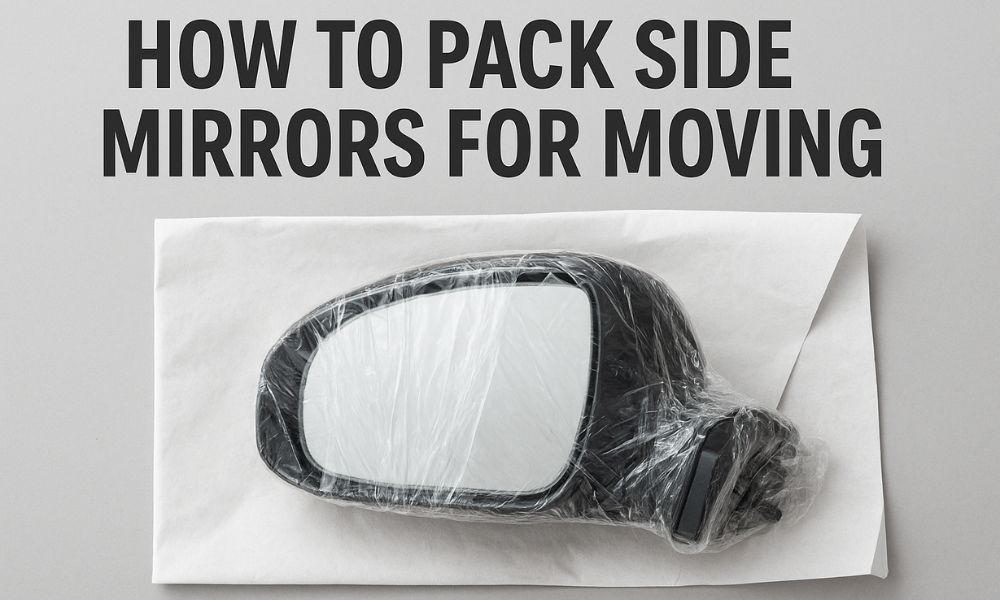
Moving can be stressful, and fragile items like mirrors require extra care. Knowing how to pack mirrors for moving ensures they arrive at your new home safely and intact. With the right techniques and materials, even delicate or oversized mirrors can be transported without a scratch. This beginner-friendly guide will walk you through everything you need to know to protect your mirrors during a move.
Why Properly Packing Mirrors Matters for a Safe Move
Mirrors are surprisingly fragile and can shatter easily if not handled correctly. Proper packing not only protects the glass itself but also prevents injuries from broken shards and damage to surrounding items in your moving truck. Investing a little extra time in packing mirrors carefully can save you money, stress, and heartache when unpacking at your new home.
Common Mistakes People Make When Packing Mirrors
Many people assume mirrors are sturdy enough to handle minimal protection. Common mistakes include wrapping them with just a thin layer of paper, placing them flat in a moving box, or stacking heavy objects on top. When you Pack Mirrors for Moving, these errors increase the risk of cracks, chips, or complete breakage. Avoiding these pitfalls is key to ensuring a smooth and safe move.
Understanding Different Types of Mirrors
Framed vs. Frameless Mirrors
Framed mirrors are generally easier to pack because the frame provides some protection to the edges of the glass. However, frames can be delicate or loose, requiring additional padding. Frameless mirrors offer no edge protection and need careful wrapping with thick cushioning materials to prevent cracks or shattering.
Decorative vs. Functional Mirrors
Functional mirrors, such as bathroom or bedroom mirrors, are often standard in size and shape, making them easier to pack. Decorative mirrors may have intricate designs, beveled edges, or irregular shapes that require extra attention. Understanding your mirror type helps you choose the right packing materials and method.
Essential Packing Materials for Mirrors
Bubble Wrap, Packing Paper, and Foam
Bubble wrap is ideal for protecting mirror surfaces and edges. Wrap mirrors in multiple layers to create a soft cushion against bumps during transport. Packing paper or foam sheets can be added for extra protection, especially around corners, which are the most vulnerable points.
Mirror Boxes and Cardboard Sheets
Specialty mirror boxes offer sturdy walls and reinforced corners for extra security. Cardboard sheets can be used to separate multiple mirrors or add custom protective layers. Combining boxes with soft padding ensures mirrors stay secure throughout the move.
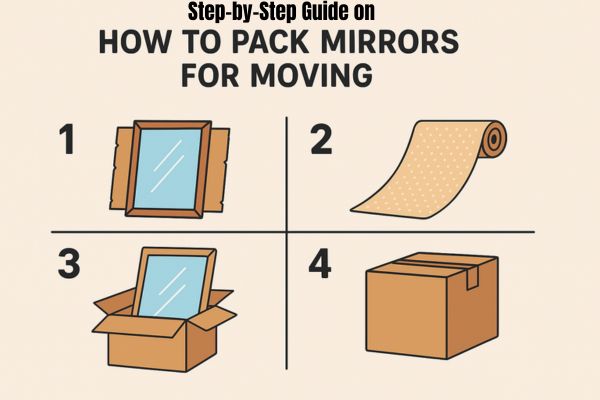
Step-by-Step Guide on How to Pack Mirrors for Moving
Preparing the Mirror and Workspace
Clear a spacious area to work safely. Lay down a soft blanket or foam mat to prevent scratches. Remove detachable frames, hooks, or stands, and gently clean the mirror surface. Keep all packing materials—bubble wrap, foam sheets, and packing tape—within reach.
Wrapping the Mirror Safely
Cover the mirror surface with packing paper or foam, then wrap it in several layers of bubble wrap. Focus on corners and edges. Secure the wrapping with tape—tight enough to stay in place, but not so tight that it puts pressure on the glass.
Placing the Mirror in a Box or Crate
Place the wrapped mirror into a sturdy mirror box or crate. Fill empty spaces with foam peanuts or crumpled paper to prevent movement. If transporting multiple mirrors, separate them with cardboard or foam layers.
Sealing and Labeling the Package
Seal the box firmly with packing tape and label it FRAGILE. Indicate which side should remain upright to ensure movers handle it with care.
Protecting Mirrors During Transportation
Proper Placement in Moving Truck
Mirrors should be transported upright, not flat, to reduce the risk of breakage. Place them against a sturdy surface and avoid stacking heavy items on top. Use straps or padding to secure mirrors in place during transit.
Avoiding Pressure and Impact
Do not press mirrors tightly between other boxes or furniture. Even slight pressure can cause cracks. Cushion all sides to provide maximum protection.
DIY vs. Professional Packing: Pros and Cons
Packing mirrors yourself saves money and allows for customized protection. Professional movers have specialized equipment and experience to handle fragile or large mirrors safely. Your choice depends on budget, the value of your mirrors, and comfort with handling delicate items.
Tips for Handling Large or Antique Mirrors

Extra Padding and Reinforcement
Large or antique mirrors are particularly vulnerable. Use extra layers of bubble wrap and foam, reinforce corners with cardboard or corner protectors, and consider a double-box for added security.
Team Lifting and Transport Techniques
Always lift large mirrors with at least one other person. Communicate clearly and use straps or dollies to maneuver mirrors through tight spaces safely.
How to Pack Mirrors for Storage Before Moving
If you need to store mirrors temporarily, wrap each one carefully and place them upright in a sturdy storage box or crate. Use extra padding like cardboard sheets or foam corners to prevent movement. Store mirrors in a dry, climate-controlled area to avoid warping, moisture damage, or mold growth.
Quick Safety Checks Before Moving Mirrors
Before loading mirrors, check that all wrapping is secure, corners are reinforced, and boxes are labeled FRAGILE. Inspect for pre-existing cracks and ensure moving straps or padding are in place. These checks minimize the risk of accidents during transit.
Unpacking Mirrors Safely at Your New Home
Take your time unpacking mirrors. Remove packing materials carefully, keeping the mirror upright. Inspect for any damage and place it in a safe area until ready to mount or display. Slow and cautious handling ensures mirrors remain intact.
Fun Facts About Mirrors and Their Fragility
Mirrors are surprisingly delicate. Most are made of a thin reflective metal coated onto glass, which makes them prone to cracks or chips. Antique mirrors are even more fragile due to aged glass or ornate frames. Knowing their fragility helps you understand why careful packing is essential.
Advanced Packing Tricks to Prevent Breakage
For extra protection, wrap mirrors in multiple bubble wrap layers, use foam corner protectors, and double-box larger mirrors. Fill empty spaces with foam peanuts or crumpled paper to absorb shocks. These advanced techniques provide extra safety and peace of mind.
Final Thoughts
Packing mirrors requires patience, proper materials, and careful handling. By following proper wrapping techniques, using sturdy boxes, and securing mirrors during transport, you can prevent breakage and ensure your mirrors arrive safely. Whether handling small decorative mirrors or large antique pieces, preparation and attention to detail are key. With these tips, moving mirrors can be stress-free and secure.