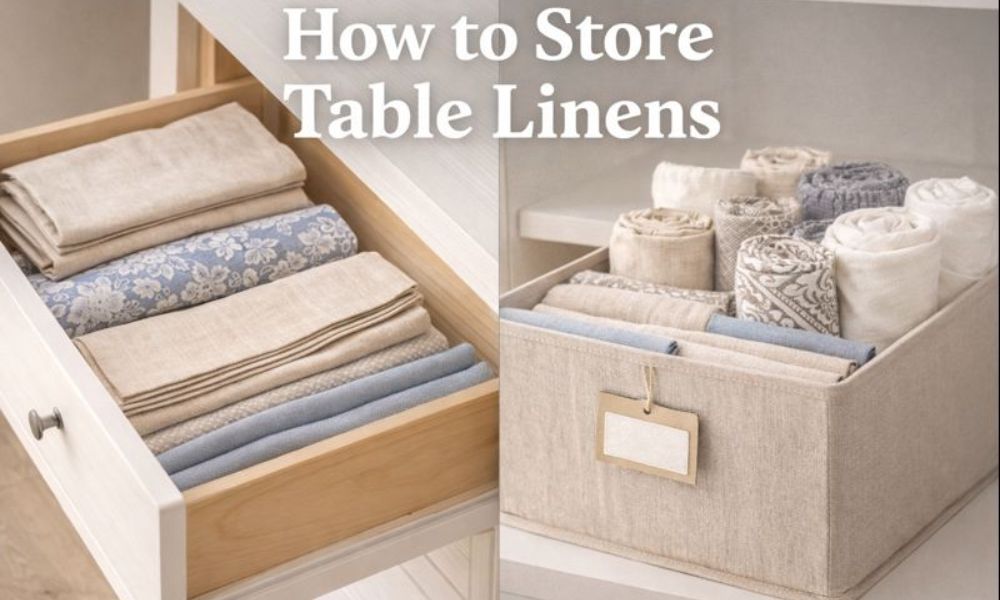
Table linens are more than just functional accessories for your dining table—they add elegance, style, and a touch of personality to every meal. From luxurious tablecloths for special occasions to everyday napkins and placemats, proper storage ensures your fabrics stay in pristine condition for years. For beginners, learning how to store table linens may seem intimidating, but with the right techniques, you can keep them organized, wrinkle-free, and ready for any event.
Why Proper Storage of Table Linens Matters
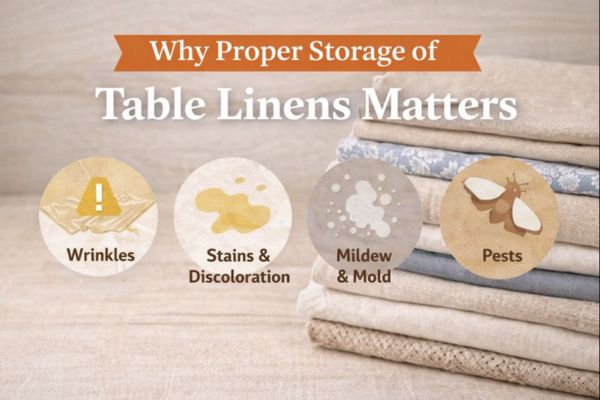
Storing your table linens correctly is key to preserving their quality and extending their lifespan. When you Store Table Linens properly, improper storage can lead to wrinkles, stains, discoloration, or even mildew. By taking a few careful steps, you protect your linens, maintain cleanliness, and ensure they always look fresh when needed. Well-organized fabrics also save time when setting the table for meals or special gatherings, making your dining experience smoother and more enjoyable.
Common Mistakes People Make When Storing Table Linens
Many beginners make simple mistakes that shorten the life of their table fabrics. Folding incorrectly can create permanent creases, storing in damp areas can cause mildew, and stacking too many pieces together may crush delicate linens . Avoiding these pitfalls by learning the right storage methods ensures your linens stay beautiful and functional for years.
Different Types of Table Linens and How They Affect Storage
Different linens require different storage approaches. Understanding each type helps you maintain their shape, quality, and appearance.
Napkins
Napkins are small and can easily get wrinkled or misplaced. Folding them neatly or rolling them into small bundles keeps them compact and organized.
Tablecloths
Tablecloths are often the largest items in your collection and can be tricky to store. Folding carefully, rolling, or using breathable storage bags prevents wrinkles and fabric wear.
Placemats
Placemats, especially woven or delicate types, should be stacked flat or stored vertically in containers to avoid creasing.
Table Runners
Table runners vary in length and material, so folding loosely or rolling helps maintain their shape and decorative appeal.
Preparing Your Table Linens for Storage
Before storing, preparation is essential. Clean, dry, and properly folded fabrics last longer and remain fresher. Taking time to prepare them may seem tedious, but it makes storage more effective and keeps your collection neat and accessible.
Washing and Drying
Always follow care label instructions. Use gentle detergents and avoid harsh chemicals that weaken fabric fibers. Make sure linens are completely dry before storage to prevent mildew or mold growth.
Ironing and Folding
Ironing your linens before storing eliminates wrinkles. Fold along natural creases or roll gently to minimize permanent fold marks. Proper folding also makes organization easier when retrieving items later.
Step-by-Step Guide: How to Store Table Linens
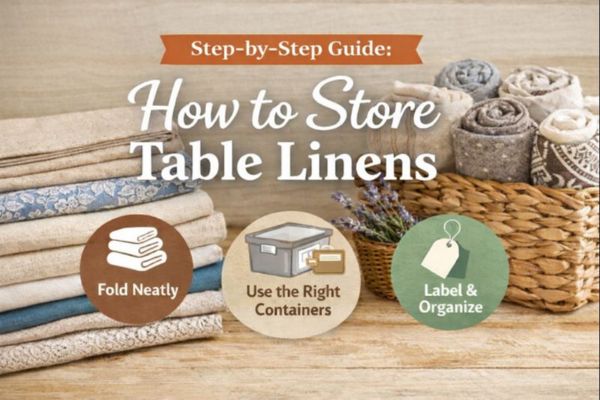
Choosing the Right Storage Containers
Containers play a big role in linen longevity. Breathable cotton bags, clear plastic bins, or storage boxes with lids are ideal. Avoid damp basements or attics where moisture can damage your linens.
Folding Techniques for Different Linens
Napkins can be folded into squares or rolled, tablecloths folded into manageable sections, and runners rolled to prevent creases. Using acid-free tissue paper between folds protects delicate linens.
Labeling and Organizing
Label containers by type, color, or season. This makes it easy to locate items without unpacking everything. A well-organized system saves time and reduces wear.
Creative Storage Solutions for Small Spaces
Even with limited space, your linens can be stored efficiently. Hanging organizers, under-bed bins, or repurposed drawers are excellent options. Vertical storage and thoughtful stacking keep everything neat and accessible.
Seasonal Storage: Rotating Table Linens Throughout the Year
Some linens are reserved for holidays or special occasions. Rotating them seasonally ensures everyday linens remain accessible while delicate or festive pieces stay protected. Labeled storage containers or garment bags keep off-season linens in top condition.
Protecting Table Linens from Damage
Proper storage prevents tears, fraying, and fabric weakening. Keep linens away from sunlight and damp areas to maintain their color, texture, and durability. Even small precautions can significantly extend the life of your collection.
Preventing Stains and Discoloration
Storing clean linens is crucial. Avoid contact with substances that can yellow or fade fabric. Using acid-free tissue paper, breathable containers, and promptly washing after use helps your linens remain fresh and stain-free.
Keeping Pests Away
Insects like moths can ruin delicate fabrics. Use sealed containers or cotton storage bags, and consider natural repellents like lavender sachets or cedar blocks. Regular checks prevent damage before it starts
Eco-Friendly and Sustainable Storage Methods
Sustainable storage protects both your fabrics and the environment. Reusable cotton bags, recycled boxes, or eco-friendly bins are excellent alternatives to disposable plastics. Repurposing old drawers or containers is both practical and environmentally responsible.
Using Vacuum Bags, Boxes, and Bins: Pros and Cons
Vacuum bags save space but may compress fabrics, causing wrinkles. Boxes and bins offer better protection but occupy more space. Combining methods—such as folding delicate pieces in boxes while storing seasonal fabrics in vacuum bags—can optimize both protection and space.
Quick Tips for Daily Use and Easy Access
Keep frequently used fabrics within reach. Stack them neatly in drawers or open bins and fold consistently to minimize wrinkles. Simple daily habits make using and storing table fabrics effortless.
How to Store Table Linens for Special Occasions
Holiday or event-specific fabrics need extra care. Store them in acid-free tissue, inside protective boxes, and away from sunlight or humidity. Label these containers for quick access during celebrations.
Maintaining Freshness and Smell While in Storage
Linens can absorb odors over time. Keep them fresh with natural sachets like lavender, rosemary, or citrus. Ensure fabrics are completely dry and stored away from strong odors to prevent mustiness.
Reviving Old or Forgotten Table Linens
Forgotten fabrics can be brought back to life. Wash according to care instructions, iron or steam to remove wrinkles, and consider gentle bleaching for whites. A fabric refresher or light misting before ironing restores softness and freshness.
DIY Storage Ideas to Keep Linens Organized and Beautiful
Creative DIY solutions make storage functional and decorative. Use baskets, drawer dividers, or hanging organizers. Color-coded systems, personalized labels, or decorative boxes enhance organization while adding charm to your space.
Final Thoughts
Properly storing table fabrics is more than just keeping them tidy—it protects your investment, maintains their beauty, and makes every dining experience enjoyable. By following cleaning, folding, organizing, and creative storage techniques, even beginners can master linen care. With careful attention, your table fabrics will stay fresh, wrinkle-free, and ready to elevate every meal, special occasion, or cozy gathering at home.