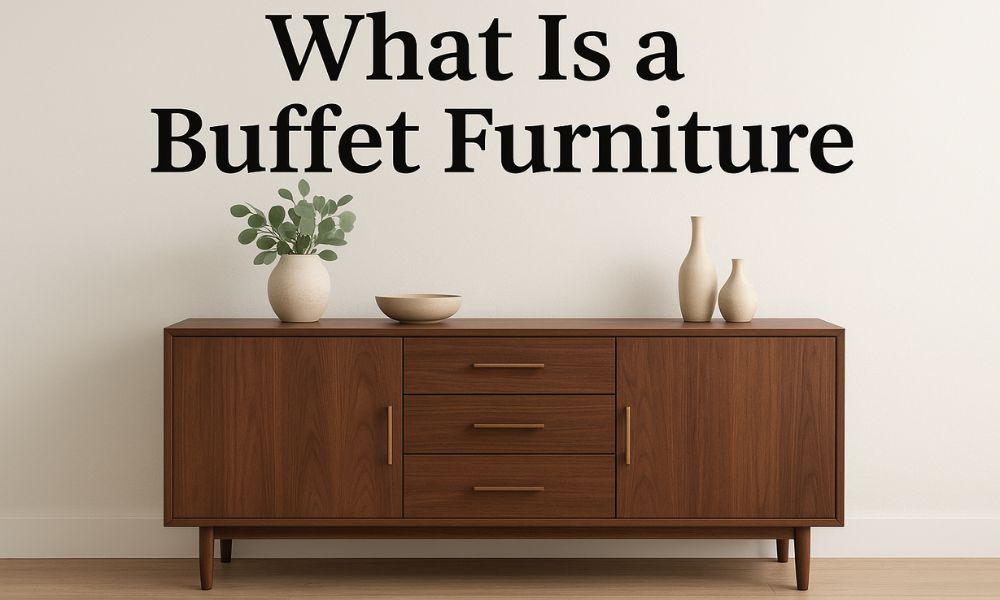
If you’ve ever admired a stylish piece of furniture sitting gracefully in a dining room or hallway—often topped with décor, vases, or dishes—you’ve likely encountered buffet furniture (also known as sideboard furniture). So, what is sideboard furnishings? Sometimes called a sideboard, it’s a long, low piece of furnishings designed primarily for serving meals and storing dining essentials. Over time, this versatile piece has expanded beyond the dining room, offering both style and practicality in modern homes. Whether you’re furnishing your first apartment or refreshing your dining space, understanding what buffet furniture is and how to choose the right one can make a big difference in both function and aesthetics.
Understanding What a Buffet Furniture Is and Why It’s So Popular
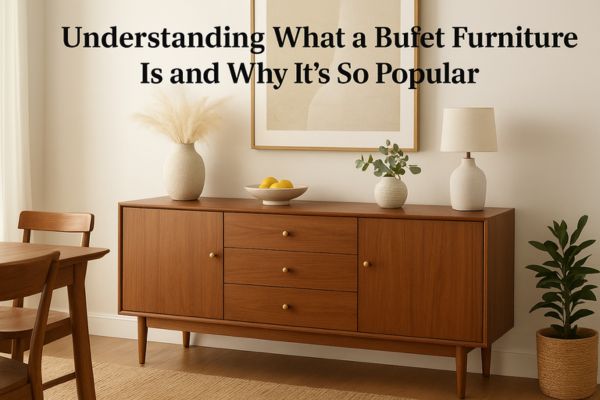
Asideboard is far more than a decorative piece—it’s a practical storage and serving solution. Traditionally, it was used to display food during gatherings, allowing guests to serve themselves, which is where the term “buffet” comes from. Today, its popularity stems from its versatility. A sideboard can store dishes, cutlery, table linens, or even books while doubling as a stylish display surface. Its adaptability allows it to fit seamlessly into dining rooms, living rooms, entryways, or hallways, making it both functional and decorative.
The Fascinating History Behind Buffet Furniture
Buffet furnishings have a rich history dating back to 16th-century Europe. It began as a simple side table for displaying food and drinks during feasts. Over the centuries, it evolved into more elaborate and ornate designs, often symbolizing wealth and sophistication. By the 18th and 19th centuries, buffets became a staple in upper-class dining rooms, made from premium woods and decorated with intricate carvings. While modern designs are more streamlined, the essence of the buffet as a symbol of hospitality and elegance remains unchanged.
How Buffet Furniture Evolved from Dining Rooms to Modern Homes
Originally used solely in formal dining spaces, sideboard furnishings has now become a multipurpose piece for modern living. Today, people use buffets not only for serving food but also as entertainment consoles, hallway tables, or stylish storage units in open-plan homes. This evolution reflects modern lifestyles—smaller homes, casual dining, and multifunctional furnishings needs. Contemporary buffets feature sleek lines, versatile materials, and adaptable designs, making them perfect for flexible living spaces.
Key Features That Define a Buffet Furniture
A typical sideboard furnishings has a long, narrow structure with a flat top for display or serving. Beneath the surface, it often includes drawers, cabinets, or shelves for storing essentials such as dishes, glassware, and utensils. Some designs feature mirrored backs, glass doors, or decorative handles. The height is generally taller than a dining table but shorter than a hutch, striking a balance between accessibility and storage. Overall, a sideboard furnishings blends elegance with practicality, making it a functional centerpiece in any room.
Different Types of Buffet Furniture
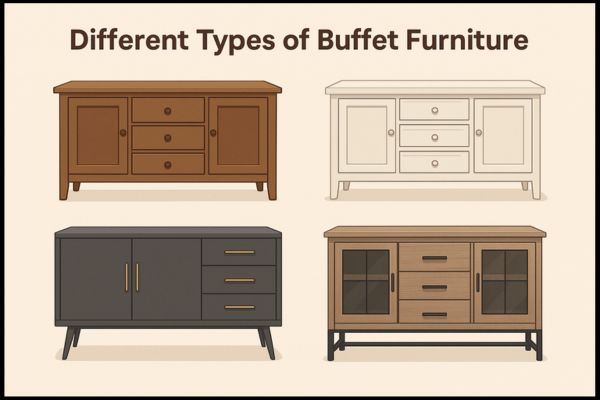
sideboard comes in several styles, each serving different needs and tastes.
Traditional Buffet
Traditional buffets are crafted from rich woods like mahogany, oak, or walnut. They often feature ornate details such as carved legs, moldings, and brass hardware, adding warmth and sophistication to formal dining rooms.
Sideboard Buffet
The sideboard buffet is lower and longer, offering ample surface space for serving or displaying décor. Its sleek, minimalist designs make it suitable for both modern and traditional interiors.
Hutch Buffet
A hutch buffet combines a lower sideboard with an upper cabinet or shelves for extra storage. Ideal for displaying glassware or collectibles, it’s perfect for homes that need both style and functionality.
Credenza
A credenza is a sleek, contemporary alternative to a sideboard . Typically featuring sliding doors and lower profiles, it’s ideal for modern living areas, offices, or dining spaces.
Materials Commonly Used in Buffet Furniture
The material of sideboard furnishings affects both durability and aesthetics. Solid woods like oak, walnut, mahogany, and pine bring warmth and longevity. Engineered woods such as MDF or plywood are cost-effective and versatile, while metal, glass, and marble elements offer a modern, luxurious touch. Upholstered accents or mirrored finishes can make the piece a true statement item. Choosing the right material ensures your sideboard matches your home décor and lasts for years.
Popular Styles and Designs of Buffet Furniture
Buffets are available in a range of styles. Traditional designs feature carvings and rich finishes. Minimalist or modern styles offer clean lines and sleek hardware. Rustic or farmhouse designs, often made of reclaimed wood, add cozy charm, while mid-century modern buffets with tapered legs remain stylish favorites. The right style enhances both storage and décor, turning your sideboard into a room centerpiece.
Step-by-Step: How to Choose the Perfect Buffet Furniture for Your Home
Measuring Your Space
Measure carefully before buying to ensure the sideboard fits comfortably. Leave at least 24 inches around for movement and make sure the proportions suit your room.
Matching Your Interior Style
Choose a sideboard that complements your décor. Classic dining rooms suit traditional wood pieces, while modern interiors benefit from sleek sideboards with metallic or glossy finishes.
Picking the Right Material and Finish
Consider durability, maintenance, and aesthetics. Families may prefer lacquered wood or metal, while marble or high-quality veneers create a luxurious look.
How to Decorate and Style a Buffet Furniture Like a Pro
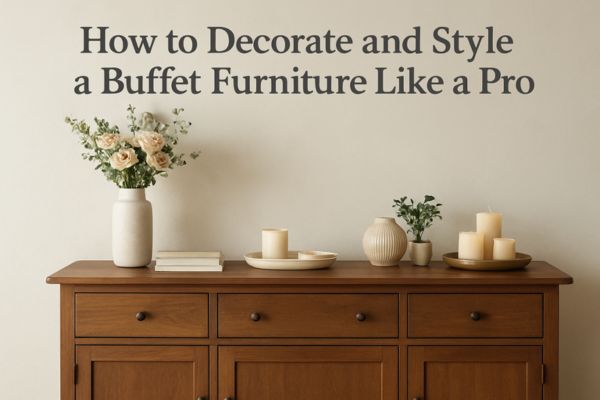
A sideboard furnishings is a perfect canvas for décor. Anchor it with a mirror, artwork, or statement wall piece above. Mix functional and decorative items—vases, trays, lamps, or greenery—to create balance. Play with height, texture, and color for visual interest, and change décor seasonally to keep the display fresh and engaging.
Creative Ways to Use Buffet Furniture Beyond the Dining Room
Buffets are incredibly versatile. Use them as media consoles in the living room, elegant entryway tables, home office storage, coffee bars, or vanity stations. Its adaptability makes it one of the most functional pieces of furnishings in a modern home.
How to Arrange Items on a Buffet Furniture for Maximum Appeal
Arrange items to create balance and style. Place taller pieces like vases or candlesticks at the ends, medium-sized items in the center, and small decorative accents in between. Avoid clutter and keep the arrangement intentional. A well-styled sideboard is both practical and visually appealing.
Maintenance Tips to Keep Your Buffet Furniture Looking New
Maintain your sideboard by dusting weekly and using gentle cleaners for wood or metal surfaces. Avoid direct sunlight and extreme humidity. Wipe spills on marble or glass immediately. Proper care preserves the furniture’s beauty and functionality for years.
Common Mistakes to Avoid When Buying or Using Buffet Furniture
Avoid buying pieces that are too large or small for your space. Ensure adequate storage, match the style with your décor, and avoid overloading the surface. A cluttered or mismatched sideboard can reduce both style and practicality.
Top Brands and Places to Shop for Quality Buffet Furniture
High-end options include Pottery Barn, Ethan Allen, and Restoration Hardware. Affordable but stylish choices are available at IKEA, Wayfair, and Ashley furnishings. Antique shops and local craftsmen are excellent for unique or custom pieces. Check reviews and dimensions when shopping online.
DIY Makeover Ideas to Transform an Old Buffet Furniture
Give old buffets new life with sanding, paint, or stain. Replace hardware, add wallpaper, or distress the wood for a rustic look. Other options include new legs, marble overlays, or decorative molding to create a statement piece.
Frequently Asked Questions About Buffet Furniture
What’s the difference between a sideboard and a sideboard?
A sideboard is taller and used for serving, while a sideboard is shorter and used mainly for storage and display.
Can I use a sideboard outside the dining room?
Yes! Buffets can serve as media consoles, entryway tables, or office storage.
Which materials are most durable?
Solid hardwoods like oak or walnut are long-lasting, while metal and engineered wood are also durable when maintained properly.
Final Thoughts
A buffet furnishings combine beauty, organization, and functionality. It enhances dining experiences, showcases décor, and offers versatile storage. Its timeless design adapts to any style, making it a valuable investment for modern or traditional homes. Elegance and practicality coexist perfectly in this essential piece.