
Tableware isn’t just the plates, bowls, and utensils we use every day—it’s an essential part of the dining experience. Whether you’re enjoying a casual meal at home or hosting a formal dinner, the right tableware can make your food look more appealing and elevate the atmosphere of your table. For beginners, understanding what tableware is and how to use it can transform even the simplest meal into a special occasion.
Understanding Tableware: More Than Just Plates and Bowls
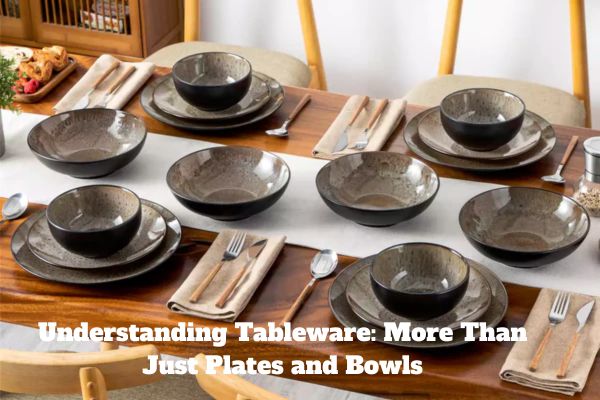
At its core, Dinnerware refers to all the items used for serving and eating food. This includes plates, bowls, cups, mugs, and cutlery, along with specialized pieces for certain dishes or beverages. Dinnerware isn’t just functional—it also contributes to the style and personality of your dining space. By choosing pieces that match your taste and needs, you can make every meal feel inviting and thoughtfully prepared.
The History of Tableware: From Ancient Times to Modern Dining
Dinnerware has a rich history that reflects cultural trends, technological advances, and artistic styles. In ancient times, people used simple clay or wooden plates, while metal cutlery was a luxury item. Over the centuries, innovations like porcelain from China and fine silver from Europe transformed dining into an art form. Today, Dinnerware ranges from classic and elegant to modern and playful, allowing everyone to create a table setting that reflects their personality.
Different Types of Tableware
Dinnerware comes in many forms, each serving a unique purpose. Understanding the different types can help beginners feel confident in selecting pieces for their home.
Plates
Plates are the foundation of any meal, available in various sizes and shapes for appetizers, main courses, and desserts. Choosing the right plate for each course can enhance the presentation of your food and make your table setting look cohesive.
Bowls
Bowls are versatile pieces used for soups, salads, cereals, and pasta. They come in different depths and designs, so selecting the right bowl can make serving easier and more stylish.
Cups and Mugs
From morning coffee to afternoon tea, cups and mugs are essential for beverages. They can be simple and practical or decorative and part of a matching Dinnerware set, adding charm to your dining table.
Cutlery
Cutlery includes forks, knives, spoons, and specialized utensils. Proper cutlery not only makes eating easier but also reflects dining etiquette, especially when hosting guests.
Materials Used in Tableware: Choosing the Right One for Your Home

Dinnerware is made from a variety of materials, each with its own benefits and considerations. Knowing the differences can help you pick items that suit your lifestyle and budget.
Porcelain and Ceramic
Porcelain and ceramic are classic choices for Dinnerware . They are durable, heat-resistant, and often feature beautiful designs. These materials are perfect for both everyday use and special occasions.
Glass and Crystal
Glass and crystal Dinnerware offer elegance and sophistication. While they can be more fragile, they’re ideal for formal dinners or when you want to impress guests with sparkling drinkware.
Metal and Stainless Steel
Metal and stainless steel pieces are sturdy and practical. They are often used for cutlery and serving dishes, offering long-lasting performance and easy maintenance.
Plastic and Melamine
Plastic and melamine Dinnerware are lightweight, affordable, and perfect for casual meals, outdoor dining, or families with children. They come in various colors and designs, making them fun and versatile.
Essential Tableware Items Every Beginner Should Know
For beginners, it’s helpful to start with the essentials before building a full collection. Key items include dinner plates, salad plates, bowls, cups or mugs, and a basic set of cutlery—forks, knives, and spoons. These basics cover most everyday meals and allow you to experiment with different table arrangements. Starting with essential pieces makes it easier to gradually expand your collection without feeling overwhelmed.
How to Choose Tableware That Matches Your Style
Choosing Dinnerware isn’t just about practicality—it’s also about expressing your personal style. Consider colors, patterns, and materials that reflect your taste and complement your dining space. Some may prefer classic white porcelain for a timeless look, while others may enjoy colorful ceramic sets to add a playful vibe. Matching Dinnerware to your style can make meals more enjoyable and visually appealing.
Tableware for Special Occasions: Elevate Your Dining Experience
Special occasions call for Dinnerware that goes beyond everyday use. Fine china, crystal glasses, and polished silver cutlery can make a dinner feel elegant and memorable. Using special Dinnerware doesn’t have to be intimidating—think of it as a way to celebrate with friends and family and create a sense of occasion even at home.
Everyday Tableware Tips: Making Daily Meals Enjoyable
Even regular meals can feel special with the right approach to Dinnerware . Mixing colors or patterns, using interesting shapes, or simply arranging your dishes neatly can make eating at home more enjoyable. Small touches, like a favorite mug or a colorful plate, can turn an ordinary breakfast or dinner into a pleasant experience.
How to Care for Your Tableware: Cleaning and Maintenance
Proper care extends the life of your Dinnerware and keeps it looking beautiful. Porcelain, ceramic, and glass often require gentle washing, while stainless steel cutlery can handle more regular cleaning. Always check manufacturer instructions, avoid harsh detergents for delicate items, and store pieces carefully to prevent chips or scratches. Regular maintenance ensures your Dinnerware stays functional and attractive for years.
Setting a Table with Tableware: Step-by-Step Guide
Formal Setting
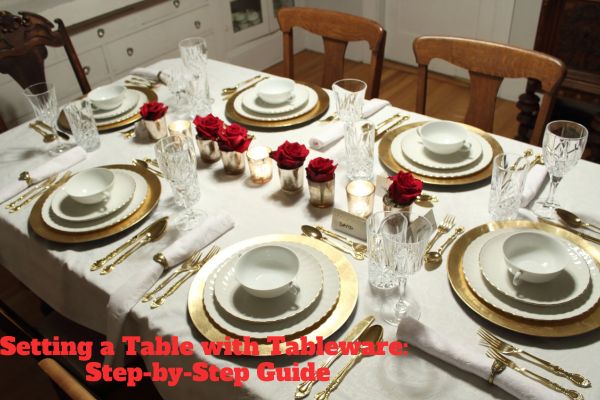
A formal table setting follows traditional rules and includes multiple pieces of Dinnerware . Typically, the dinner plate is placed in the center, with forks on the left and knives and spoons on the right. Glasses are positioned above the knives, and a napkin is neatly folded beside the forks or on the plate. Adding a charger plate or multiple courses may require extra bowls or serving dishes.
Casual Setting
Casual table settings are simpler and more flexible. Generally, each person gets a plate, a fork, knife, and spoon, with a cup or glass for drinks. Napkins can be placed beside or under the plate. Casual settings are ideal for everyday meals, brunches, or relaxed gatherings, where comfort and practicality come first.
Creative Ways to Mix and Match Tableware
Mixing and matching Dinnerware is a fun way to add personality to your dining experience. You don’t have to stick to a single pattern or color—combining different plates, bowls, and cups can create a lively and unique table setting. Pairing solid-colored plates with patterned bowls or using mismatched mugs can make your table feel playful yet stylish. The key is to maintain some harmony, such as a consistent color palette or theme, to avoid a chaotic look.
Eco-Friendly Tableware Options: Sustainable Dining Choices
Sustainability is becoming an important factor when choosing Dinnerware . Eco-friendly options include bamboo cutlery, recycled glass plates, and biodegradable or compostable materials. These choices reduce environmental impact while still being functional and stylish. By selecting sustainable Dinnerware , you not only care for the planet but also introduce thoughtful, conscious choices into your everyday meals.
Tableware Etiquette: Dos and Don’ts for Beginners
Even beginners can impress guests by following a few basic Dinnerware etiquette rules. Do place forks on the left and knives on the right, and always use utensils appropriate for the dish being served. Don’t overcrowd the table or stack too many items at once. Remember that Dinnerware etiquette is about making meals comfortable and enjoyable for everyone, not about being overly formal or intimidating.
Fun Facts About Tableware You Probably Didn’t Know
Tableware has a fascinating history filled with surprising facts. For instance, the word “cutlery” originally referred only to knives, and spoons were once considered luxury items in many cultures. Some cultures use chopsticks as traditional tableware, which has been in use for thousands of years. Learning these fun facts can make using tableware more interesting and provide great conversation starters during meals.
Final Thoughts
Tableware is more than just a collection of plates, bowls, and utensils—it’s an opportunity to bring style, personality, and care into every meal. From choosing the right materials to setting a formal or casual table, even beginners can create beautiful and functional dining experiences. By experimenting with mix-and-match designs, exploring eco-friendly options, and following simple etiquette tips, you can make every meal feel special. The right tableware not only serves your food but also adds joy, creativity, and a sense of celebration to your everyday life.