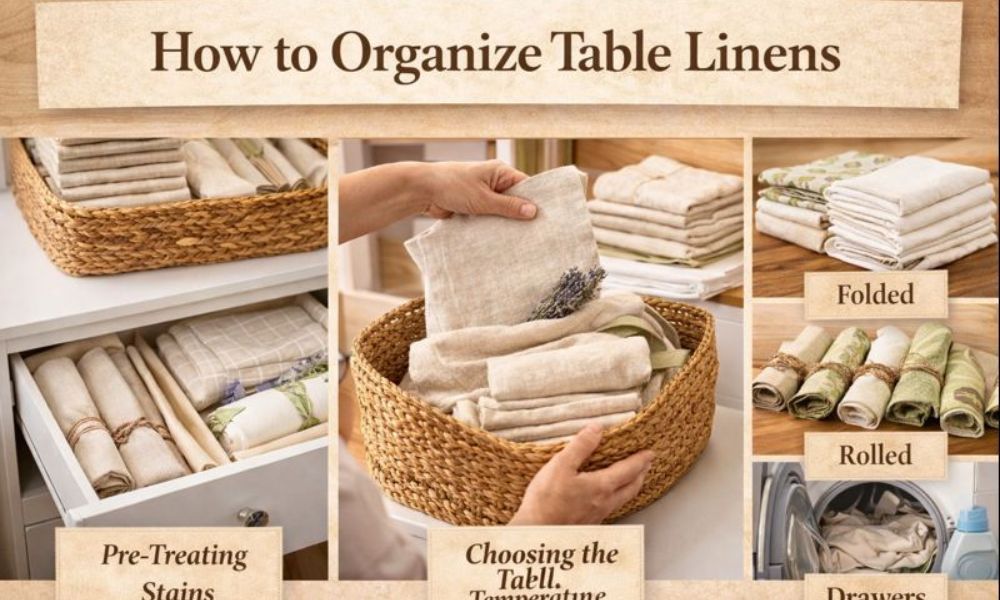
Keeping your table linens neat and organized can transform your dining experience. Whether you’re hosting a casual family dinner or a special occasion, having your napkins, placemats, and tablecloths easily accessible saves time, reduces stress, and ensures your table always looks inviting. For beginners, learning how to organize table linens may seem daunting, but with a few simple strategies, it becomes a manageable and even enjoyable task.
Why Organizing Table Linens Makes Your Life Easier
Organized table fabrics allow you to quickly find what you need without digging through messy drawers or closets. It also helps preserve the quality of your fabrics, preventing wrinkles, stains, or damage. By learning how to organize table linens, keeping everything in its place, you can plan your table settings more efficiently, mix and match designs effortlessly, and create a polished dining environment every time.
Essential Supplies You’ll Need to Get Started
Before diving into organizing, gather a few key supplies. You’ll need storage bins or baskets, drawer dividers, clear plastic containers, and labels. A gentle detergent for cleaning, and fabric softeners for maintaining softness, can also help. With these supplies on hand, you’ll be ready to organize table linens and create a functional and attractive storage system for all your table fabrics.
Understanding Different Types of Table Linens
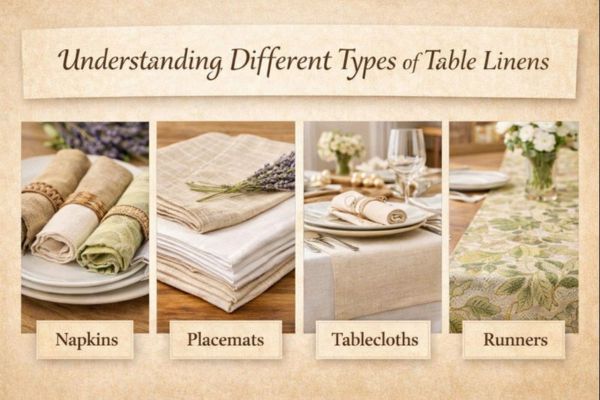
To organize effectively, it’s important to understand the different types of table Fabrics and how they are used.
Napkins
Napkins are versatile and come in a variety of fabrics, from cotton to linen. Keeping them folded neatly or rolled ensures they stay crisp and ready for use.
Placemats
Placemats protect your table and add a decorative touch. Storing them flat or in stacks prevents bending or warping, preserving their shape for daily or special use.
Tablecloths
Tablecloths are often larger and more delicate, requiring careful folding and storage to avoid deep creases. Proper handling ensures they remain smooth and elegant for every meal.
Runners
Table runners add style and dimension to your table setting. They can be folded or rolled and stored separately to maintain their decorative appeal.
Step-by-Step Guide: How to Organize Table Linens Efficiently
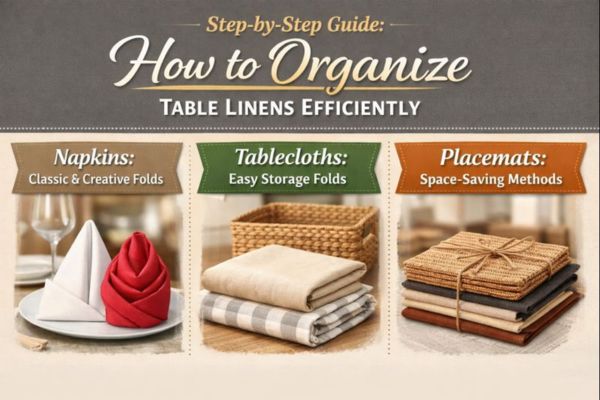
Start by sorting your Fabrics by type, size, and usage frequency. Clean and iron each piece before storing it. Then, choose a storage method that works best for your space, whether it’s drawers, bins, or shelves. Group similar items together, making them easy to find and access whenever needed.
Folding Techniques for Every Type of Linen
Proper folding not only saves space but also keeps Fabrics looking neat and wrinkle-free.
Napkins: Classic and Creative Folds
For napkins, consider classic square folds for everyday use or creative shapes for entertaining. Rolling them is another space-saving option.
Tablecloths: Easy Storage Folds
Tablecloths can be folded into thirds or quarters depending on their size. For delicate fabrics, place tissue paper between folds to prevent creases.
Placemats: Space-Saving Methods
Stack placemats flat or store them vertically in dividers to keep them organized and easy to grab without creating clutter.
Choosing the Right Storage Solutions for Table Linens
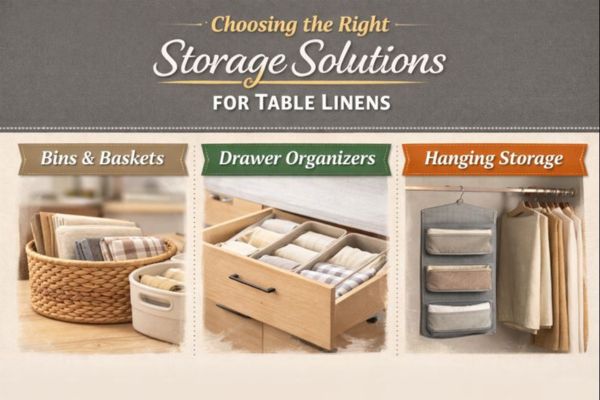
Select storage options that match your available space and lifestyle. Baskets, bins, or drawer dividers can keep everything in order while allowing visibility. Clear containers are ideal for seasonal or special occasion Fabrics, while labeled drawers help maintain a routine for everyday pieces. By choosing the right storage solutions, you ensure your table Fabrics remain functional, accessible, and beautifully organized.
Using Bins, Baskets, and Drawers Effectively
Bins, baskets, and drawers are your best friends when it comes to keeping table Fabrics organized. Use separate bins for napkins, placemats, and tablecloths, and stack them neatly so you can quickly grab what you need. Drawer dividers are excellent for keeping smaller items like cloth napkins or runners in order, preventing them from getting tangled or messy. Clear or labeled containers make it easy to see the contents at a glance.
Labeling and Categorizing Your Linens
Labeling and categorizing your table Fabrics is a game-changer for organization. Group items by type, color, or occasion so that you can locate them effortlessly. Labels on bins, shelves, or drawers allow you to quickly identify each category, which is especially helpful when you have a large collection or multiple seasonal sets. This simple step saves time and keeps your storage neat.
Seasonal and Special Occasion Linen Organization
Keep seasonal or special occasion fabrics separate from everyday pieces. Store holiday-themed tablecloths or elegant runners in labeled bins or vacuum-sealed bags to protect them from dust and damage. Rotating your Fabrics based on the season ensures your table always feels fresh and festive without overcrowding your main storage space.
Tips for Maintaining Freshness and Preventing Wrinkles
To maintain freshness, always clean and dry linens completely before storing. Use fabric softeners or linen sprays to keep fabrics soft and prevent musty odors. Wrinkle prevention is key—fold or roll each piece carefully and consider placing tissue paper between folds for delicate fabrics. Proper storage will keep your Fabrics looking crisp and ready for any occasion.
Creative Display Ideas for Table Linens in Your Home
Table Fabrics don’t always need to be hidden away. Consider creative display options like rolling napkins in a decorative basket, layering runners over storage shelves, or hanging tablecloths on a tidy rack. Displaying your Fabrics can also inspire ideas for table settings and keeps your collection visible, making it easier to rotate and use regularly.
How to Rotate and Use Your Table Linens Regularly
Rotate your Fabrics to ensure even wear and long-lasting use. Avoid relying on a single set for every meal; instead, cycle through your collection weekly or monthly. This practice helps preserve the quality of delicate fabrics and allows all your Fabrics to be showcased, keeping your dining table stylish and fresh.
Common Mistakes to Avoid When Organizing Table Linens
Avoid mixing fabrics with different care needs, overstuffing drawers, or skipping labeling. Failing to fold properly or storing fabrics while damp can lead to wrinkles, mildew, or damage. Being mindful of these common mistakes will keep your collection neat, functional, and ready for use at all times.
Eco-Friendly Ways to Store and Care for Table Linens
Consider sustainable storage options such as biodegradable bins, recycled containers, or organic cotton bags. Use natural solutions like vinegar or baking soda for cleaning, and line-dry whenever possible to save energy. Eco-friendly practices protect your fabrics and the environment while maintaining your table Fabrics in excellent condition.
Quick Hacks for Small Spaces and Minimalist Storage
For smaller homes or minimalist setups, use vertical storage, under-bed bins, or multi-purpose furniture to store Fabrics efficiently. Rolling napkins or using compact drawer organizers maximizes space without creating clutter. Even with limited storage, these hacks help you maintain a tidy, accessible, and stylish collection of table Fabrics.
Final Thought
Organizing your table linens doesn’t have to be overwhelming. With the right folding techniques, storage solutions, and a little planning, you can keep your napkins, placemats, tablecloths, and runners neat, accessible, and ready for any occasion. Regular rotation, proper care, and mindful storage not only preserve the quality of your Fabrics but also make your dining space more inviting and stylish. By following these simple tips, even beginners can enjoy a beautifully organized collection that adds convenience and elegance to every meal.