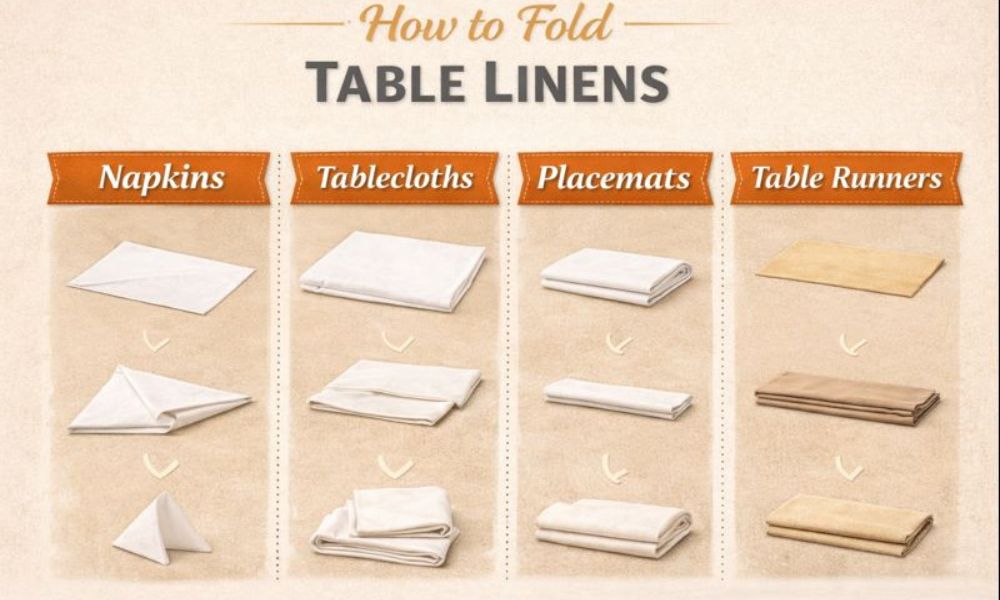
Keeping your table linens neat and well-organized can make a surprising difference in your home. Knowing how to fold table linens properly not only helps them look tidy but also makes setting your table for everyday meals or special occasions much easier. Whether you are new to home organization or simply want to elevate your dining setup, learning these simple folding techniques is a great place to start.
Introduction: Why Knowing How to Fold Table Linens Makes a Difference
Folding your table Linens correctly might seem like a small detail, but it has a big impact. Well-folded Linens save space, prevent wrinkles, and keep your fabrics looking fresh for longer. When you know how to fold each type of linen, you can also organize your storage areas more efficiently, making it easier to grab exactly what you need when planning a meal.
Understanding Table Linens: Types and Materials
Before you start folding, it’s important to understand the different types of table Linens and their materials. Each fabric requires slightly different care, which will affect how you fold and store it.
Cotton, Linen, Polyester, and Blends
Cotton is durable and easy to wash, linen is elegant and delicate, and polyester or blended fabrics are wrinkle-resistant and low-maintenance. Recognizing the material of your Tablecloths will help you fold them in a way that preserves their quality.
Everyday vs. Special Occasion Linens
Everyday Linens tend to be more practical and can be folded quickly, while special occasion pieces often require careful handling to maintain their beauty. Treating each type according to its use will keep your collection looking its best.
Benefits of Properly Folding Table Linens
Folding table Tablecloths the right way offers multiple advantages for both your home and your Tablecloths themselves.
Saves Space and Keeps Linens Fresh
Proper folding makes it easier to store your Linens, napkins, and placemats in drawers, bins, or closets without taking up too much space. Neatly folded Linens remain fresh and easy to access whenever you need them.
Prevents Wrinkles and Fabric Damage
Incorrect folding can lead to deep creases or even damage delicate fabrics. Learning how to fold table Linens correctly helps maintain their softness and shape, so they are ready to use without extra ironing.
Essential Tools and Supplies for Folding Table Linens
Having the right tools makes the folding process faster and more effective.
Storage Bins, Drawer Dividers, and Labels
Bins and dividers help keep your Linens organized and easy to find. Labeling sections ensures everything stays in its place, even when you’re in a hurry.
Ironing and Steam Options
A well-pressed linen is easier to fold neatly. Using an iron or steamer before folding can eliminate wrinkles and give your linens a polished appearance.
Step-by-Step Guide: How to Fold Table Linens
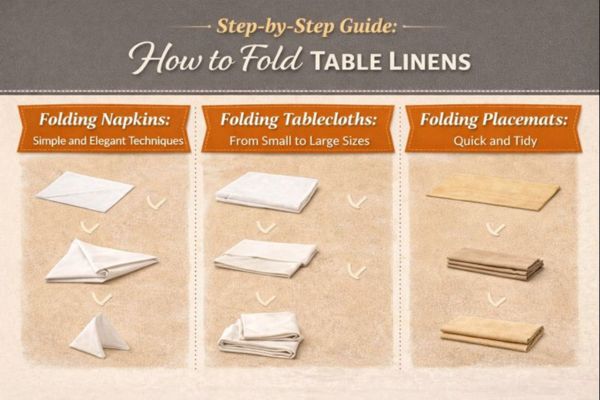
Folding table Linens is easier than it seems once you know the basic techniques. Here’s a beginner-friendly guide for different types of Tablecloths .
Folding Napkins: Simple and Elegant Techniques
Start by smoothing out the napkin, then fold it into halves or quarters depending on your storage space. For a more decorative touch, try a triangle or pocket fold for special occasions.
Folding Tablecloths: From Small to Large Sizes
Lay the tablecloth flat and fold it in half lengthwise, then fold it in halves or thirds again until it reaches a manageable size. For larger Tablecloths , folding in sections helps prevent heavy creases.
Folding Placemats: Quick and Tidy
Placemats are usually small and easy to fold. Stack them neatly in a drawer or basket to save space and keep them accessible.
Creative Folding Methods for Table Linens
If you want to add a touch of elegance or fun, creative folding methods can elevate your table presentation.
Decorative Folds for Special Occasions
Special folds, like fan shapes or pocket folds, make your table settings look professional and inviting without much effort.
Fun Shapes and Patterns for Entertaining
For parties or festive events, napkins and smaller tablecloths can be folded into flowers, animals, or geometric shapes to delight your guests.
Common Mistakes to Avoid When Folding Table Linens
Even beginners can avoid the most common pitfalls with a little care. Don’t mix different fabrics together, avoid folding wet tablecloths , and always follow care instructions for delicate materials. Taking your time ensures that your linens stay in great condition for years.
Storing Folded Table Linens for Maximum Longevity
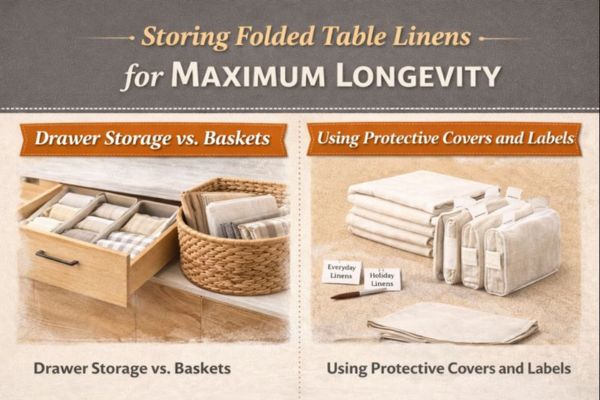
After folding, how you store your table Tablecloths can make a big difference in their longevity. Keeping tablecloths in the right environment prevents wrinkles, stains, and wear over time. A little thought and planning go a long way in maintaining soft, fresh, and ready-to-use Tablecloths .
Drawer Storage vs. Baskets
Drawers are perfect for keeping small Tablecloths like napkins and placemats neatly stacked and easily accessible. Baskets work well for larger pieces like tablecloths or seasonal fabrics, providing flexibility and visual appeal while keeping Tablecloths contained.
Using Protective Covers and Labels
Protective covers, such as cotton or breathable fabric sleeves, prevent dust and sunlight damage. Labels help you quickly identify each linen, saving time and preventing unnecessary unfolding while searching for the right piece.
Tips for Keeping Table Linens Wrinkle-Free
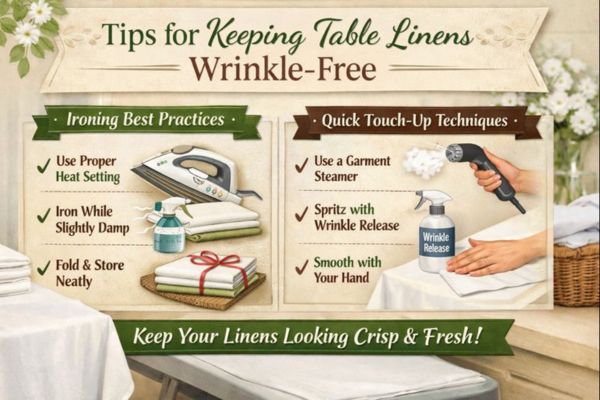
Wrinkle-free Tablecloths not only look polished but also save you time during meal prep. Using proper techniques during folding and storage can keep your fabrics smooth and elegant.
Ironing Best Practices
Ironing slightly damp Tablecloths on the correct temperature setting restores a crisp, fresh look. Using a pressing cloth for delicate fabrics prevents shine marks and maintains fabric integrity.
Quick Touch-Up Techniques
For minor wrinkles, a hand steamer or spritz of water followed by smoothing with your hands works wonders. This is perfect for last-minute preparations when time is limited.
Eco-Friendly and Sustainable Folding Practices
Sustainable habits can be applied to folding and caring for table linens. Wash with cold water when possible, choose biodegradable detergents, and air-dry instead of relying on high-heat dryers. Reusing old fabrics creatively or repurposing them as cleaning rags also reduces waste and promotes an eco-friendly home.
Organizing Table Linens by Occasion and Frequency of Use
Keeping everyday Tablecloths separate from special occasion pieces simplifies meal prep. Store frequently used fabrics in easily accessible drawers or baskets, while reserving delicate or festive Tablecloths for less frequent use. This ensures both convenience and protection for delicate fabrics.
Quick Hacks for Folding Table Linens in a Hurry
Even on busy days, neatly folded Tablecloths are possible with a few simple tricks. Rolling napkins instead of folding them can save time and space, while folding tablecloths in large, manageable sections prevents cumbersome handling and maintains neatness.
Frequently Asked Questions About Folding Table Linens
Beginners often have questions about Tablecloths : How tight should folds be? Can delicate fabrics be machine folded? What’s the best way to avoid deep creases? Most questions can be answered by understanding your fabric type and following gentle folding methods, ensuring your Tablecloths stay fresh and elegant.
Final Thought
Mastering how to fold table linens transforms your dining experience, keeps your fabrics in top condition, and makes hosting effortless. By following these tips—storing wisely, keeping fabrics wrinkle-free, and organizing by use—you’ll enjoy a beautifully organized home and table setting every day.